.png) Book Now
Book Now  720-464-4804
  Find A Location
 Deep cleaning can effectively treat gum disease, eliminate stubborn plaque, and safeguard against bone loss. Scaling and root planing target the root causes of gum issues, promoting healthier gums and teeth.

Whether it's time for a check-up or if you experience sore, swollen, or bleeding gums, our deep cleaning treatment goes beyond a standard cleaning to address serious issues proactively.
At our Brighton dental office, we offer thorough deep cleanings (scaling and root planing) to combat gum disease, reduce inflammation, and prevent bone deterioration. Gum disease is a leading cause of tooth loss; however, with prompt care, we can help restore gum health and protect your smile. Our gentle and non-surgical deep cleaning technique eliminates harmful bacteria beneath the gumline, smooths the root surfaces, and helps avert further gum recession and bone damage.
If you experience bleeding gums, persistent bad breath, or sensitivity in your gums, don't wait—schedule a deep cleaning in Brighton now to preserve your oral health!
A deep cleaning, known as scaling and root planing, removes plaque, tartar, and bacteria from beneath the gumline. Unlike regular cleanings that focus on tooth surfaces, this treatment addresses the roots of teeth and nearby gum areas.
The procedure consists of two essential steps:
This method is often recommended for those with early to moderate gum disease, aiming to prevent its advancement into more severe conditions.


Gum disease (periodontal disease) is an oral bacterial infection that affects the gums and the bone structure that supports your teeth. Gum disease begins with mild symptoms but, when ignored, can lead to serious complications.
Stages of Gum Disease:
Gingivitis – In this early phase, symptoms include gum bleeding, bad breath, and mild swelling. At this point, gum disease can be reversed with professional cleanings and improved oral hygiene.
Periodontitis – This advanced stage involves gum recession, persistent bad breath, and spaces forming between teeth and gums. Deep cleaning is vital to remove bacteria and prevent further bone loss.
Advanced Periodontitis – The most severe stage leads to the deterioration of the bone supporting teeth, potentially causing loose or missing teeth. Surgical treatment might be necessary if not treated promptly.
If diagnosed with gum disease, undergoing a deep cleaning is essential to halt its progression and restore your oral health.
We go above and beyond to make sure your Brighton deep cleaning experience is as comfortable and stress-free as possible. Here's what you can expect:
The procedure can be completed in either a single visit or two sessions, depending on the severity of gum disease.
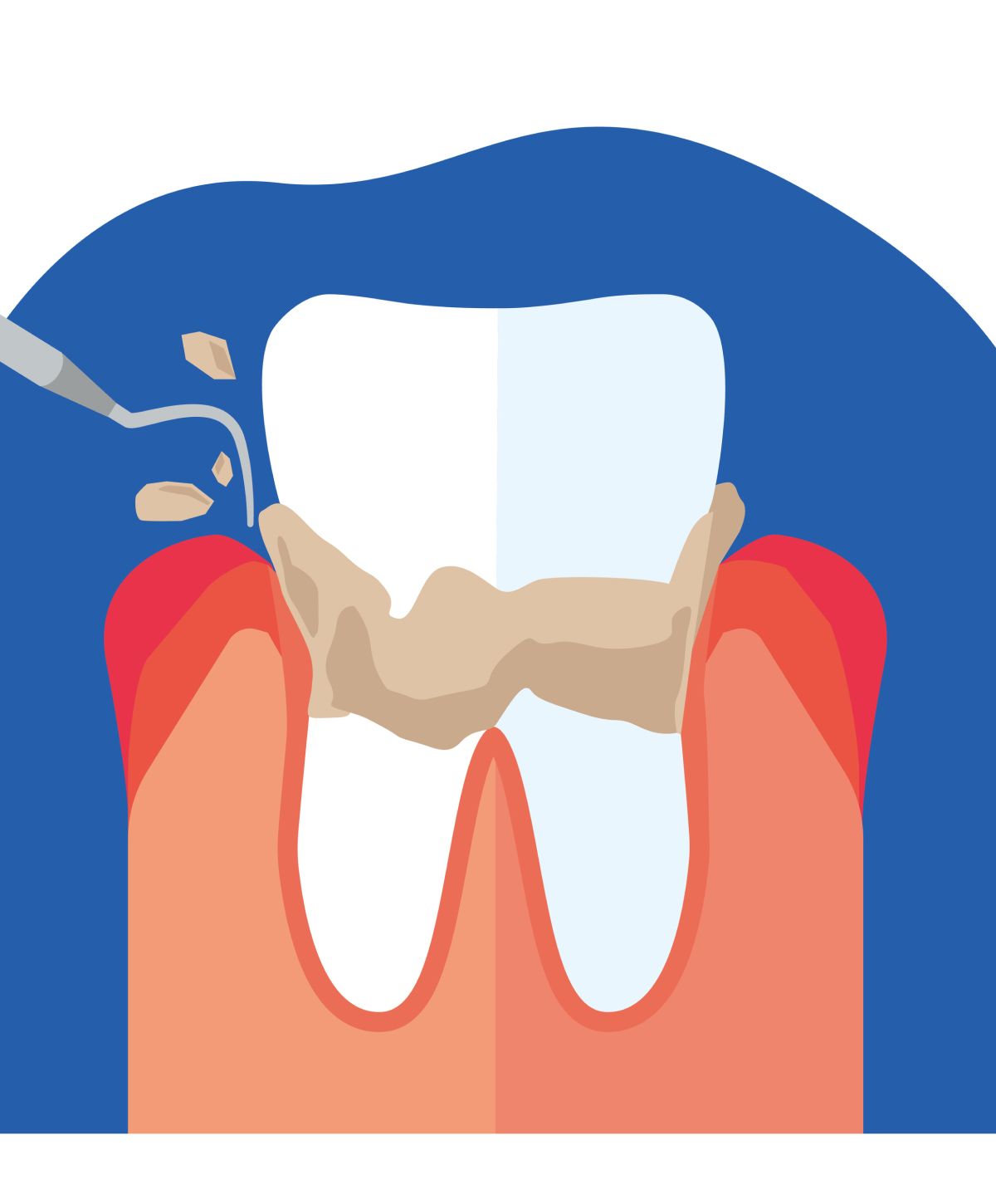
Are you questioning if you need more than the usual dental cleaning? Scaling and root planing might be necessary if you observe any of these symptoms:
No matter how much time has passed since your last dental appointment, prioritizing oral health is always beneficial. With a deep cleaning Brighton patients can refresh their gums and help prevent serious problems.
After undergoing a deep cleaning, you may notice your gums feeling a bit tender and sensitive for a brief time; however, this sensation will diminish. Follow these suggestions for a smooth recovery:
The majority of our Brighton deep cleaning patients notice healthier, pinker gums within weeks. With regular dental check-ups, you can maintain long-term oral health.


Undergoing a deep cleaning is just the beginning—consistent care is vital for keeping your gums healthy. Here are some ways to minimize gum disease risk:
Following these recommendations can help you maintain healthy gums, reduce inflammation, and avoid the need for additional deep cleanings.
No, a deep cleaning, also called scaling and root planing, is different from a standard dental cleaning. While regular cleanings focus on removing plaque and tartar from the teeth's surface, deep cleanings target bacteria, tartar, and infections below the gumline that contribute to gum disease. If you have bleeding gums, receding gums, or bone loss, this procedure may be necessary.
You may need a deep cleaning if you show symptoms of gum disease such as:
If unsure, your dentist can check for gum pockets during an exam. Pockets deeper than 4mm usually suggest the need for a deep cleaning to prevent further harm to gums and bone.
A deep cleaning generally isn't painful; however, since it involves work beneath the gumline in Brighton, clinics might use local anesthesia or numbing gel for comfort. Any soreness or sensitivity afterward is mild and typically subsides within several days.
Deep cleaning usually requires two visits in Brighton dental offices; each session focuses on one side of your mouth. Each visit lasts about 45 minutes to an hour depending on how severe your gum condition is. Patients with minor issues might complete it in one appointment.
Your gums could feel sensitive after the procedure; thus soft foods are recommended:
Avoid consuming hard or spicy foods for several days to minimize irritation.
Certainly! The process supports healing by removing bacteria and infection so that gums can reattach to teeth. With good oral care following treatment in Brighton practices suggest you'll see reduced inflammation and healthier gums within weeks.