.png) Book Now
Book Now  720-464-4804
  Find A Location
 The Dental Team in Broomfield offers bone grafting to rebuild jaw structure and support long-term oral health and dental implants.
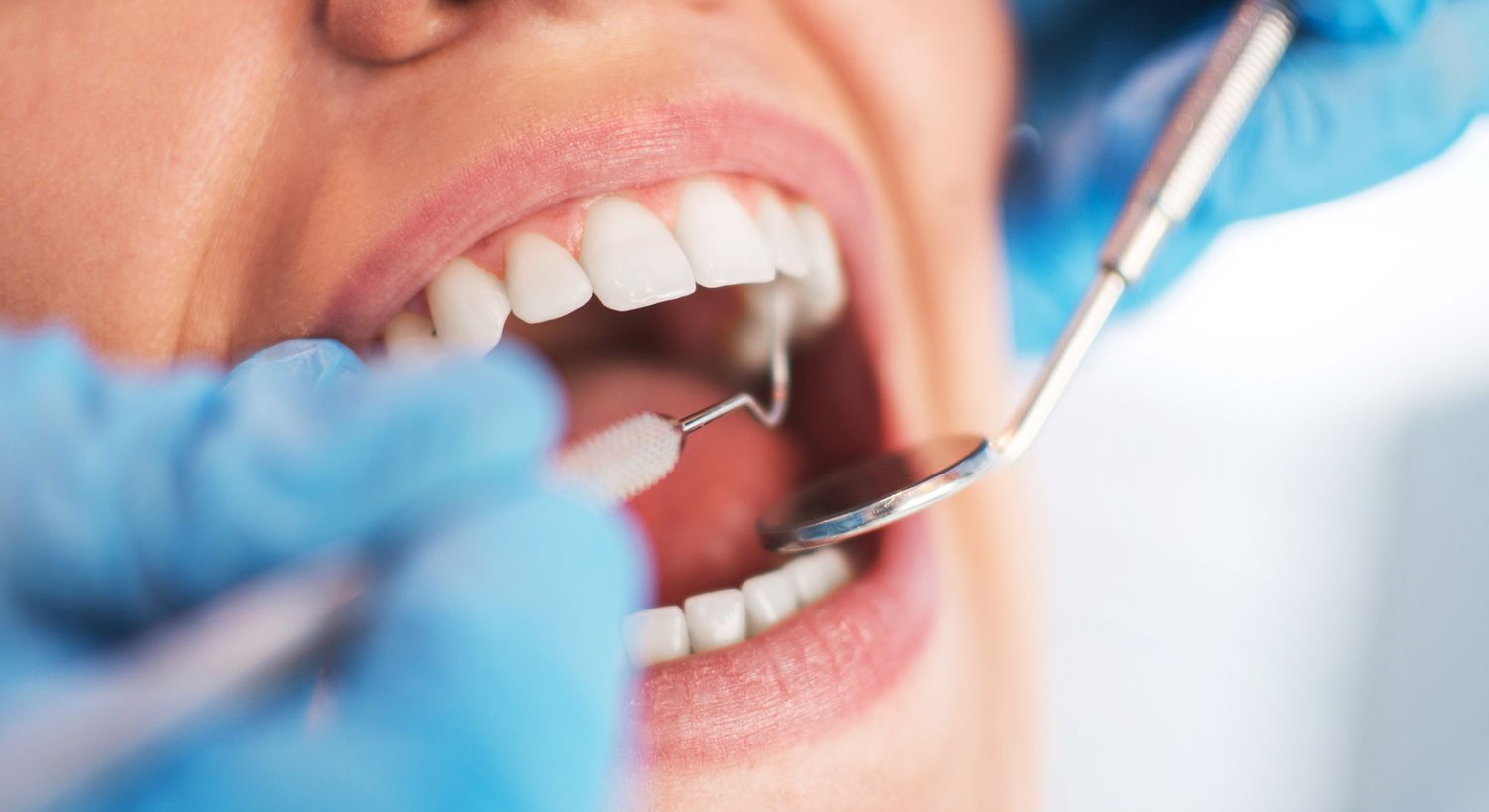
Discover a world of confident smiles with our wide range of dental services, thoughtfully designed to meet your unique needs.
At The Dental Team in Broomfield, our skilled dentists employ modern techniques and top-tier materials to ensure your bone grafting procedure is both smooth and effective. We collaborate with you to create a customized treatment plan that addresses your specific needs, promoting optimal oral health. Rely on us for professional care and a radiant smile.
At our practice in Broomfield bone grafting is a surgical technique to boost jawbone density compromised by tooth loss, gum disease, or injury. It creates a robust foundation for dental implants and enhances the jaw's appearance and function. This procedure supports improved oral health outcomes by ensuring your jaw remains strong and healthy for years to come.


Typically, when undergoing bone grafting Broomfield patients will receive local anesthesia. The dentist makes an incision to access the jawbone and carefully positions the bone graft material in areas with inadequate bone. This material can be obtained from your body, a donor, or it may be a synthetic alternative. Once completed, the incision is sutured closed.
With bone grafting Broomfield patients can address a variety of dental challenges, including:

Experiencing jawbone loss? Bone grafting might be the answer. This procedure is ideal for those considering dental implants or facing bone loss from tooth extraction, gum disease, or injury. Our team of dental experts will carefully assess your situation to see if bone grafting suits your needs, ensuring the best outcome for your oral health.

Recovery time after bone grafting varies depending on the complexity of the procedure.
It's common to have some swelling or mild discomfort for a few days afterward. Our team will give you clear aftercare instructions and support you throughout the healing process to help ensure a smooth, comfortable recovery.
Bone grafting delivers durable results by integrating with your existing jawbone over time. This process creates a solid base for dental implants or restores the jaw's natural shape. While healing can take several months, our dentists ensure your recovery is on track through regular follow-up appointments.
With local anesthesia, feeling pain during the bone grafting procedure is uncommon. Post-procedure, you might experience some discomfort. However, this is manageable with standard pain relief medications, ensuring a smoother recovery journey.
The time needed for the procedure can vary, depending on how much grafting is required. Smaller areas might be completed more quickly, while more extensive grafts may take longer.
Bone graft materials can come from three primary sources: your own body (autografts), a donor (allografts), or synthetic materials. Autografts are often preferred due to their compatibility and reduced risk of rejection, as they originate from your own tissues. Allografts, sourced from donors, provide a viable alternative when larger grafts are needed. Synthetic options offer innovative solutions, designed to mimic natural bone properties and support regeneration. Each choice has its unique advantages and considerations, making it essential to discuss with your healthcare provider which option aligns best with your individual needs and goals.
After placing a dental implant, a few months are needed for the bone to fully integrate with your jaw. This natural process—called osseointegration—ensures that the implant becomes a stable and lasting part of your mouth. Although it may require patience, this waiting period is crucial for achieving optimal results and long-term success. Trust in the expertise of your dental professional to guide you through each step with care and precision.
Surgery always carries potential risks like infection or bleeding. Our dentists will guide you through these possibilities in detail, ensuring every question is answered. This commitment to transparency helps you make informed decisions about your care.
Insurance coverage for bone grafting varies widely based on your specific policy. To ensure accurate information, it's best to contact your insurance provider directly. They can offer detailed insights into what is covered under your plan and any potential out-of-pocket costs you might incur. Understanding these details in advance can help you make informed decisions about your healthcare needs without unexpected surprises.