.png) Book Now
Book Now  720-464-4804
  Find A Location
 Deep cleanings treat gum disease by removing plaque and tartar below the gumline to restore gum health.

If it’s been a while since your last dental visit, or if your gums are tender, swollen, or bleed when you brush, you might need more than a routine cleaning.
At The Dental Team, we provide deep cleanings (scaling and root planing) to treat gum disease, reduce inflammation, and help prevent bone loss. Gum disease is one of the leading causes of tooth loss, but early treatment can make a big difference.
Our gentle, non-surgical deep cleaning removes bacteria below the gumline, smooths the root surfaces, and helps slow or stop gum recession and bone damage.
If you’re noticing bleeding gums, persistent bad breath, or gum sensitivity, don’t wait—schedule a deep cleaning to protect your oral health.
At our dental practice in Broomfield deep cleaning, also called scaling and root planing, is a specialized treatment that removes plaque, tartar, and bacteria from beneath the gumline. Unlike routine cleanings that focus on the tooth surface, this procedure targets the roots and surrounding gum tissue.
This treatment is often recommended for those with early to moderate gum disease and helps prevent the condition from getting worse.


Gum disease, or periodontal disease, is a bacterial infection affecting the gums and bone supporting your teeth. It often starts with mild symptoms like redness or swelling, which are easy to overlook. Understanding these initial signs can help prevent long-term complications and maintain a healthy smile.
Stages of Gum Disease
If signs of gum disease are present, especially in the Broomfield area, starting with a deep cleaning is a crucial step toward restoring your gum health and preventing further damage.
We do everything we can to make your deep cleaning as comfortable and stress-free as possible. Here’s what you can expect:
Depending on the severity of gum disease, treatment may take one or two visits. Most patients report little to no discomfort—and the long-term benefits are well worth it.
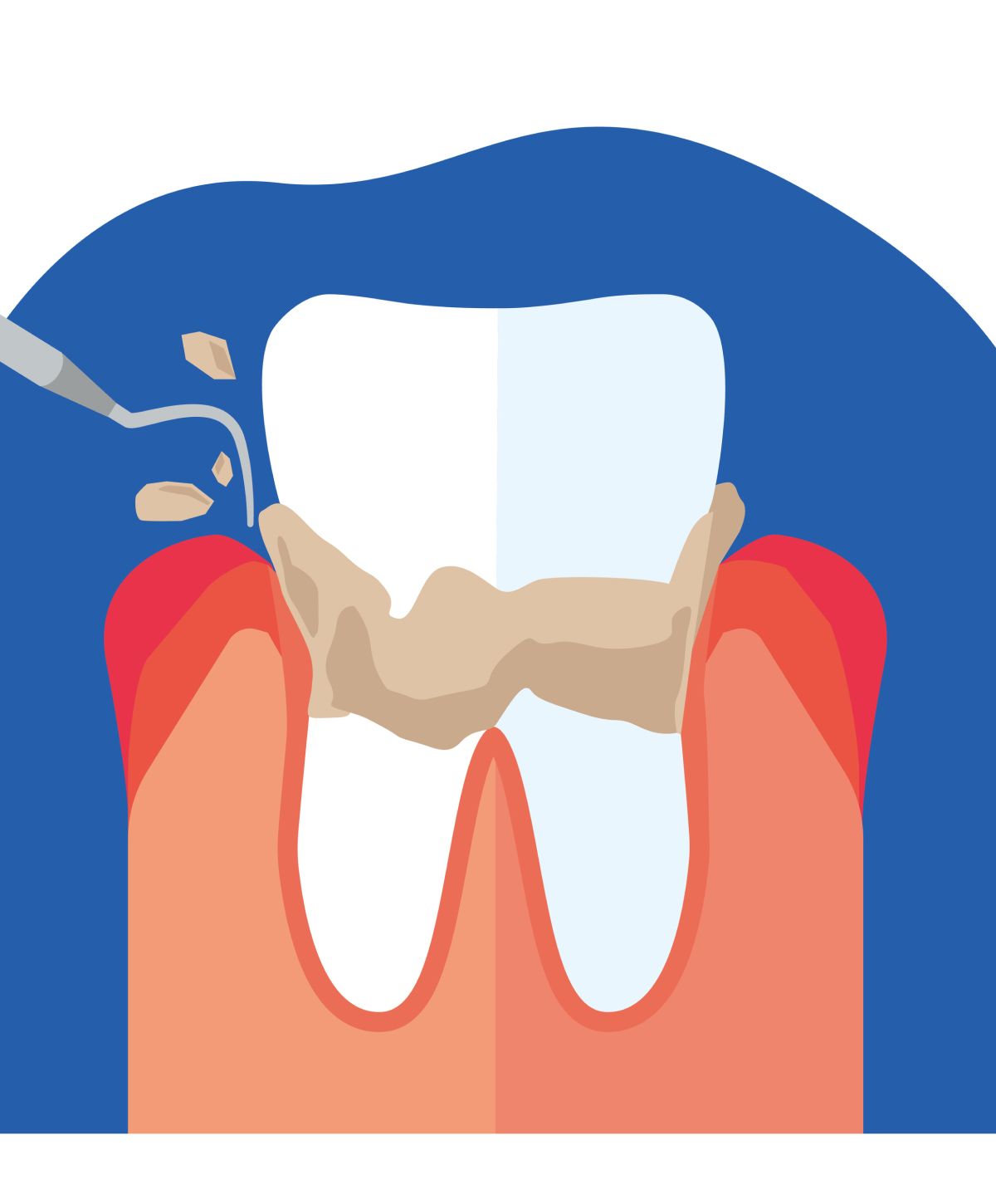
If you're experiencing bleeding gums during brushing, swelling or redness, persistent bad breath, gum recession, sensitivity near the gumline, or loose teeth, it might be time to consider scaling and root planing. These symptoms suggest that a deeper cleaning could be necessary to maintain your oral health and prevent further issues. Consult your dentist to explore the best treatment options tailored for you.
With expert care, you can maintain strong teeth and a confident grin. Taking this simple step today helps prevent complications tomorrow, keeping your smile bright and beautiful. Remember, oral health is key to overall well-being!
After a deep cleaning Broomfield patients typically report their gums feeling a bit tender or sensitive for a few days, but this usually fades quickly. To help with healing:
Keeping up with regular dental check-ups helps sustain this improvement, ensuring long-term oral health. By staying proactive about your dental care, you can maintain a bright smile and healthy gums for years to come.


After a deep cleaning, keeping your gums healthy takes regular care. Here’s how to help prevent gum disease from coming back:
Keep your gums healthy by brushing twice daily with a soft-bristle toothbrush and fluoride toothpaste. Floss gently to remove plaque between teeth, and rinse with an antimicrobial mouthwash to reduce bacteria. Maintain regular dental check-ups for professional cleanings and early detection of issues.
A deep cleaning, or scaling and root planing, goes beyond a standard dental cleaning. While routine cleanings remove plaque and tartar from the teeth's surface, deep cleanings target below the gumline to eliminate bacteria and infections that cause gum disease. Signs like bleeding gums, gum recession, or bone loss may indicate the need for this more intensive treatment.
Bleeding gums, persistent bad breath, receding gums, sensitivity, and loose teeth might mean you need a deep cleaning. These symptoms can signal gum disease, which is checked by your dentist through measuring gum pockets. If these pockets are deeper than 4mm, it typically indicates a deep cleaning is necessary to prevent further damage. Regular dental check-ups can help catch these signs early and keep your smile healthy.
A deep cleaning is generally not painful, although it involves reaching below the gumline. To ensure comfort, your dentist might use local anesthesia or a numbing gel. Following the procedure, you may experience mild soreness or sensitivity in your gums, but this usually subsides within a few days.
Deep cleaning, a crucial dental procedure, often involves two visits, focusing on one side of the mouth at a time. Each session typically lasts 45 minutes to an hour, tailored to the severity of gum disease. For those with milder conditions, the process might be completed in a single visit.
After a deep cleaning, your gums may be sensitive, so it's best to stick with soft foods. Consider enjoying soups, yogurt, mashed potatoes, scrambled eggs, or smoothies. Cooked vegetables and tender proteins are also gentle on your gums. Initially, avoid hard, crunchy, or spicy foods as they might cause irritation. Giving your gums the right care during this time can help them heal more comfortably and effectively.
Yes! A deep cleaning aids healing by removing bacteria and infection, allowing gums to reattach to teeth. With consistent oral care and follow-up at Broomfield's clinics, you can anticipate reduced inflammation and healthier gums within weeks.