.png) Book Now
Book Now  720-464-4804
  Find A Location
 Professional dental cleanings help prevent cavities, gum disease, and keep your smile feeling fresh and healthy.


A professional dental cleaning is one of the simplest ways to keep your smile bright, your breath fresh, and your gums feeling their best.
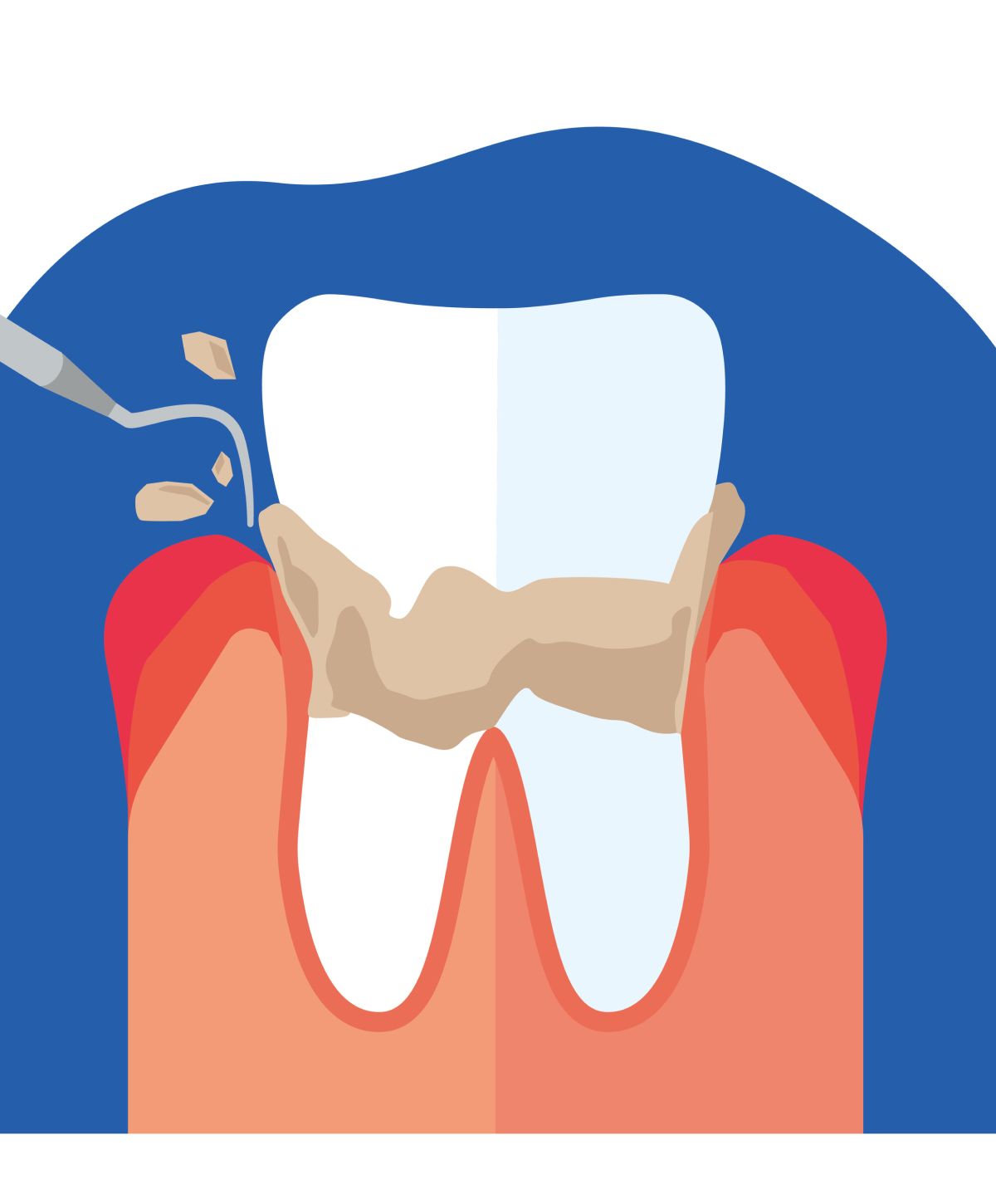
During a routine dental cleaning, our Broomfield team carefully removes the plaque, tartar, and surface stains that daily brushing and flossing leave behind. This comfortable visit helps lower your risk of cavities, gum disease, bad breath, and future tooth loss, while giving your dentist a chance to spot small issues before they turn into bigger, more costly problems.
We tailor every cleaning to your comfort level, offering options like numbing gel or short breaks if you need them. You leave with that just-cleaned feeling, smoother teeth, and renewed confidence in your oral health.
If it's been a while since your last visit, a simple cleaning is a reassuring first step toward a healthier smile.
A routine dental cleaning, or 'prophylaxis,' is a preventive visit typically recommended every 6 months. Your hygienist gently removes plaque, tartar, and surface stains above the gumline that daily brushing and flossing miss. Unlike a 'deep cleaning,' this visit is for patients without advanced gum disease and is designed to be quick, comfortable, and tailored to your needs to help prevent bigger dental problems later.
At your routine dental cleaning in Broomfield, your visit starts with a quick exam. Your hygienist checks your gums and teeth, notes any problem areas, and talks with you about your comfort and sensitivity. If needed, they can use numbing gel or take short breaks so you stay relaxed.
Next, they gently remove soft plaque and hardened tartar from around your teeth, focusing on areas brushing and flossing miss. Then your teeth are polished to lift away surface stains and leave them feeling smooth. After that, your hygienist flosses between each tooth and may recommend a fluoride treatment to help strengthen enamel and lower your risk of future cavities.


Regular dental cleanings are one of the simplest ways to protect your smile before problems start. During a professional dental cleaning in Broomfield, CO, your hygienist removes sticky plaque and hardened tartar that brushing and flossing alone can't fully reach. This buildup harbors bacteria that feed on sugars, producing acids that wear away enamel and spark cavities.
Stopping Problems Before They Start:
Comfortable, tailored cleanings every six months help you stay confidently ahead of cavities, gum disease, and other oral health concerns.
Most patients in Broomfield do best with a professional dental cleaning every 6 months. These routine visits remove plaque, tartar, and stains that brushing and flossing leave behind, lowering your risk of cavities, gum disease, bad breath, and tooth loss.
Some smiles, however, need a little extra attention. If you have a history of gum disease, many fillings or crowns, smoke or vape, have diabetes, dry mouth, or tend to build up tartar quickly, we may recommend cleanings every 3–4 months instead of twice a year. This more frequent schedule helps keep inflammation under control and lets us catch problems early, when treatment is simpler and more affordable.
Your cleaning schedule will always be personalized after we evaluate your mouth and review your health history. If you are overdue, please know there is no shame and it is never too late to restart care. We are here to help you move forward, not judge the past.
Wondering what a regular dental cleaning can do for your appearance? With a professional dental cleaning Broomfield patients can gently lift away plaque, tartar, and surface stains that build up from coffee, tea, red wine, and everyday life. Many patients leave with teeth that look noticeably brighter and feel smoother, giving their smile a fresh, polished look.
While a cleaning is not the same as professional whitening, it often reveals your smile at its best by removing dulling buildup. You may find that your teeth reflect light better, your breath feels fresher, and you feel more confident speaking, laughing, and smiling. In Broomfield, CO, a simple preventive visit can be a subtle yet powerful boost to your overall appearance.
If you feel nervous about dental cleanings or have sensitive teeth and gums, you are not alone. Our Broomfield dental team focuses on gentle, patient-centered care from the moment you sit down. We tailor every cleaning to your comfort level, using options like numbing gel on tender areas, smaller instruments, and a slower, lighter touch. You are always welcome to ask for short breaks, adjustments, or extra explanation so you feel in control the entire time.
Whether you are worried about pain or feel embarrassed about plaque or tartar buildup, know that our office is completely judgment-free. We are simply glad you are here. Regular cleanings every 6 months help prevent cavities, gum disease, and bad breath, and many patients are surprised by how easy and comfortable their visit feels in Broomfield, CO.


Routine dental cleanings do far more than keep your smile bright. By removing plaque and tartar every six months, you help protect your gums—an important part of your overall health. Research has linked healthier gums with better heart health and improved diabetes management, even though no specific outcome can be guaranteed. Regular dental cleanings also let your dentist spot small problems early, before they require more extensive, costly treatment. Over time, that means fewer surprises, fewer emergencies, and more money saved. Ready to invest in your long-term health? Schedule your next cleaning in Broomfield today.
Sticking with these habits can reduce inflammation, protect your gum health, and help you avoid needing further deep cleanings.
Most routine dental cleanings in Broomfield take about 45–60 minutes from the time you sit down to the time you leave. This includes a gentle cleaning, polishing, and an exam so we can catch small issues before they become bigger problems. Many patients schedule cleanings over a lunch break or between errands because the visit is efficient and predictable.
Cleanings are designed to be comfortable, even if you have sensitive teeth or tender gums. We adjust our technique, use a light touch, and can apply numbing gel or take short breaks if you need them. Let us know what you feel; we would rather go slower and keep you at ease so you leave feeling relieved, not sore.
Twice-yearly cleanings are recommended because plaque hardens into tartar that brushing and flossing alone cannot remove. These visits help prevent cavities, gum disease, bad breath, and even tooth loss, and they give us a chance to spot concerns early when treatment is simpler and less costly. Some patients with gum issues may benefit from more frequent visits, but we will tailor a schedule that fits your mouth and your life.
A regular dental cleaning focuses on removing plaque, tartar, and surface stains above the gumline for patients with healthy gums. A deep cleaning, also called 'scaling and root planing,' goes below the gumline to treat active gum disease and help infected tissues heal. If your gums are healthy, a routine cleaning is usually all you need to stay on track.
Before your visit, brush and floss as you normally would and arrive a few minutes early to update any forms or insurance details. Bring a list of medications and any questions or concerns you have, such as sensitivity or areas that bleed. There is no special prep required; simply come as you are, and we will guide you through every step.
Many dental insurance plans cover preventive cleanings and exams every 6 months, often at little or no out-of-pocket cost; our Broomfield team can help you verify your specific benefits. If it has been a long time since your last cleaning, you are not alone, and you will not be judged. We will start with a thorough, respectful evaluation and create a plan that gets you healthy again at a pace you feel comfortable with.