.png) Book Now
Book Now  720-464-4804
  Find A Location
 Restore your smile with dental bridges. We offer traditional and implant-supported bridges for missing teeth. Book your consultation today!

Missing teeth can impact more than just your appearance; they may also make it harder to chew, speak clearly, or keep your mouth healthy.
At The Dental Team near Broomfield, CO, we create custom dental bridges to restore both the function and look of your smile. A bridge fills the space left by missing teeth and is supported by nearby teeth (called abutments) or dental implants. Whether you're missing one tooth or several, a bridge can help prevent your other teeth from shifting and reduce the risk of bone loss.
Not sure if a bridge, partial denture, or implant is right for you? Our team will walk you through your options and recommend the best fit for your goals and lifestyle.
In Broomfield dental bridges provide a lasting solution for those missing teeth. It involves an artificial tooth anchored by surrounding abutment teeth, which can be either natural or implants. This approach not only restores your smile but also helps maintain facial structure and prevents remaining teeth from shifting.
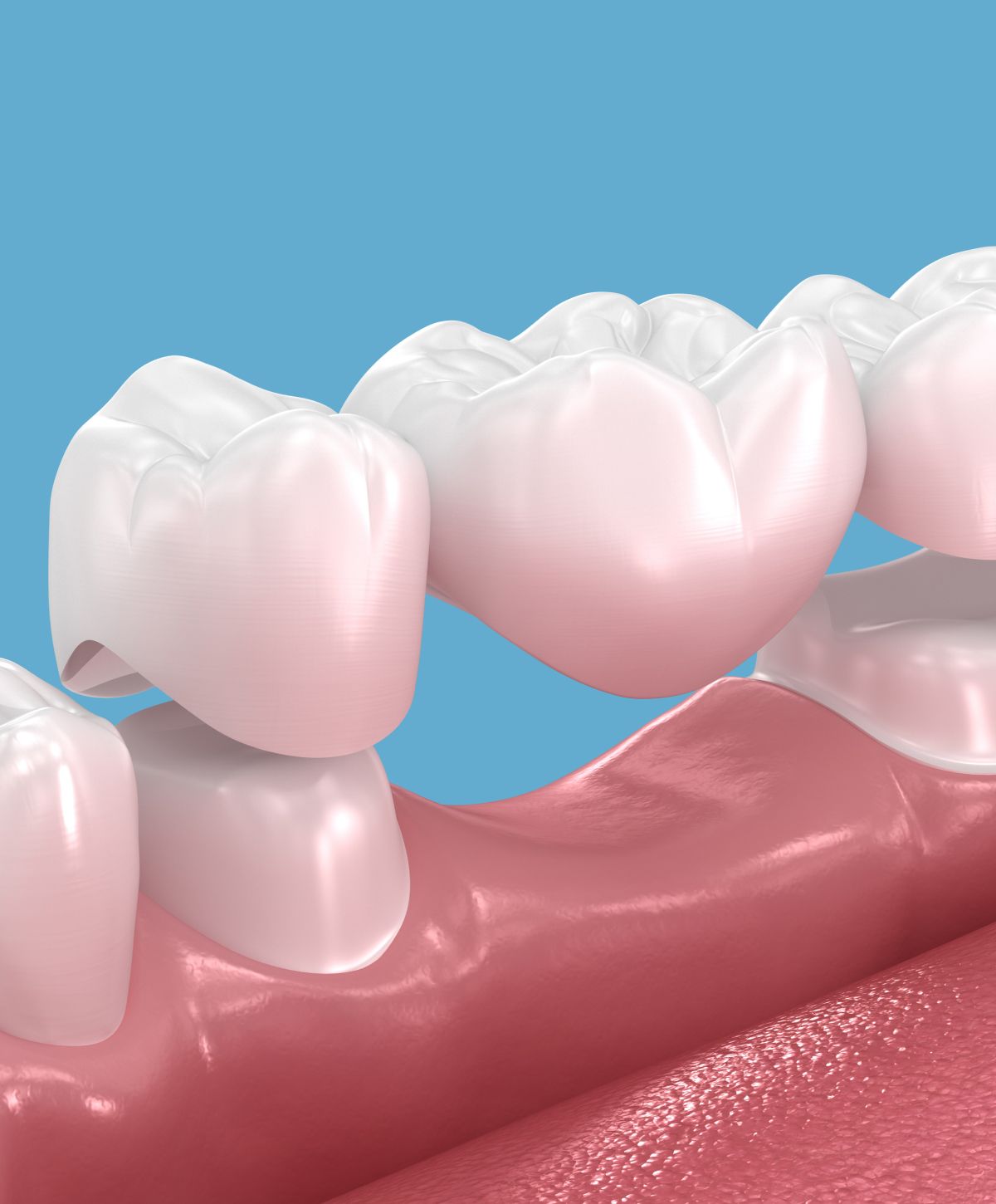

Dental bridges are tailored for your specific dental situation.
The most common type of dental bridge involves using crowns on adjacent teeth to anchor the prosthetic tooth securely. By utilizing existing teeth as support, this bridge offers a stable solution for replacing missing teeth, ensuring that your smile remains both functional and aesthetically pleasing.
When you have just one natural tooth next to a gap, a cantilever bridge can be an effective solution. It's often recommended for areas with less biting pressure, such as the front teeth. This approach helps restore your smile seamlessly while maintaining the health of your adjacent tooth.
The resin bonded bridge uses metal wings or a resin-bonded framework, bypassing crowns, to connect with adjacent teeth. It's a smart choice for those seeking to maintain their natural tooth structure while achieving a confident smile. By focusing on preserving the integrity of your existing teeth, this method offers both durability and aesthetics without the need for extensive dental work.
Implant-supported crowns offer a robust solution for those with multiple missing teeth. Anchored securely by either a single implant or a pair, these crowns provide stability and function without relying on natural teeth. This approach not only restores your smile but also plays a crucial role in preventing bone loss, maintaining facial structure over time.
Every dental bridge offers unique advantages, ensuring the perfect fit for your oral health needs. Whether you're looking to restore function or enhance aesthetics, our skilled dental team in Broomfield is here to guide you through each option. We'll provide personalized recommendations, considering factors like durability, appearance, and comfort.
The process typically takes place over two visits to our Broomfield office:
Visit 1: Tooth Preparation and Impressions
To begin, the teeth supporting your bridge—called abutment teeth—are gently reshaped to make room for crowns. Then, we take impressions to ensure your custom bridge fits securely and looks natural. A temporary bridge may be placed to protect the area while your permanent restoration is being made.
Visit 2: Bridge Placement and Final Adjustments
At your second visit, the temporary bridge is removed, and your new permanent bridge is tried in. We check the fit, bite, and overall comfort before bonding it into place. Minor adjustments are made to ensure it blends in naturally and feels comfortable when you chew or speak.
If you’re receiving an implant-supported bridge, the timeline will be longer, involving two surgical steps to place the implants before attaching your final bridge.


A dental bridge might be a good option if you:
If there's significant bone loss or the surrounding teeth aren’t strong enough, an implant-supported bridge may be a better fit for lasting results. Your dentist will take a close look at your situation and help you decide what works best.
Replacing missing teeth can significantly enhance your smile and oral health. Options like a dental bridge, dental implant, or an implant-supported bridge offer different benefits. During your consultation in Broomfield, we'll explore each option's advantages to help you choose the best solution for your needs. Our goal is to ensure you feel confident in your decision and achieve a smile that looks great and functions perfectly.
This non-surgical choice offers a quick, affordable way to replace one or two missing teeth. Perfect when nearby teeth can securely support the bridge, it's a smart solution for those seeking a reliable fix without the need for surgery.
Dental implants offer a strong, lasting solution for those needing tooth replacement. Unlike some options, they don't impact nearby teeth and help prevent bone loss by mimicking natural tooth roots. This provides a stable foundation for chewing, enhancing comfort and function. Ideal for individuals seeking durability and improved oral health, dental implants seamlessly blend with existing teeth, offering both aesthetic and practical benefits.
Most people get used to their dental bridge within about a week. With the right care, your bridge can last 10–15 years—or even longer. Taking care of it from the start is key to healing well and keeping it in great shape.
What to Expect After Getting a Dental Bridge
Maintaining Your Dental Bridge
Keeping your bridge, gums, and surrounding teeth healthy takes a little daily effort:
Once your dental bridge is placed, you'll notice a big boost in your smile and how well you chew. Traditional or cantilever bridges are usually secured in a follow-up visit. Implant-supported bridges might take longer, as the implants need time to heal and bond with the bone properly. Enjoy the benefits of a restored, confident smile!

A seamless addition to your smile, the replacement tooth in a dental bridge enhances both aesthetics and functionality. This solution ensures comfortable chewing and speaking, eliminating inconvenience.
By maintaining stability, the bridge prevents neighboring teeth from moving or causing bite alignment. With dedicated oral care and routine dental check-ups, your bridge will continue to be a natural-looking, efficient, and enduring answer for missing teeth.
A dental bridge, depending on its type and support, can replace one to four consecutive missing teeth. Traditional bridges typically cover one or two teeth by anchoring onto adjacent natural teeth. In contrast, implant-supported bridges don't rely on neighboring teeth, allowing for the replacement of more teeth. This makes them a versatile solution for restoring smiles and functionality.
Most dental insurance plans offer partial coverage for dental bridges when needed for chewing and oral health. Coverage can differ by provider, so it's wise to check with your insurer. For specific costs and payment options, feel free to visit our Broomfield office.
The procedure typically causes minimal discomfort since the abutment teeth are numbed first. Afterward, any slight sensitivity can usually be managed with over-the-counter pain medications. For implant-supported bridges, recovery might take a bit longer due to surgical healing, but most patients are back to their regular activities within a few days.
Dental bridges can serve you well for 10-15 years with proper care. Maintaining good oral hygiene, attending regular checkups, and avoiding excessive force (such as chewing ice) are key practices to extend their lifespan. By prioritizing these habits, you ensure your dental bridge remains a reliable solution for years to come.
Before getting a dental bridge, it's essential to treat gum disease. Healthy gums and structures are crucial for supporting the bridge effectively. If left untreated, gum disease can weaken the abutment teeth, risking bridge failure. Regular dentist visits ensure your oral hygiene is in top shape, promoting the long-term success of your dental treatments.
A fixed restoration, such as a dental bridge, is secured to natural teeth or implants and offers enhanced stability, comfort, and function. Unlike partial dentures that can be removed for cleaning, bridges remain in place permanently. This ensures a more seamless eating and speaking experience while maintaining oral health. Partial dentures, on the other hand, though convenient for cleaning, may not offer the same level of stability or comfort.
Minor damage, such as small chips in porcelain-fused-to-metal materials, can be repaired. However, major cracks or looseness typically require replacement. Regular checkups are crucial for detecting wear early, helping to prevent the need for extensive repairs. Keeping an eye on these issues can save time and resources in the long run.
After a tooth extraction, patients typically wait 6 to 8 weeks for a dental bridge, allowing gum tissue to heal and swelling to subside. However, timing varies based on individual healing and any additional procedures like bone grafting. Your dentist will carefully monitor your progress to decide the optimal time for the next step.