.png) Book Now
Book Now  720-464-4804
  Find A Location
 Bone grafting restores lost jawbone structure to support dental implants and improve oral health.
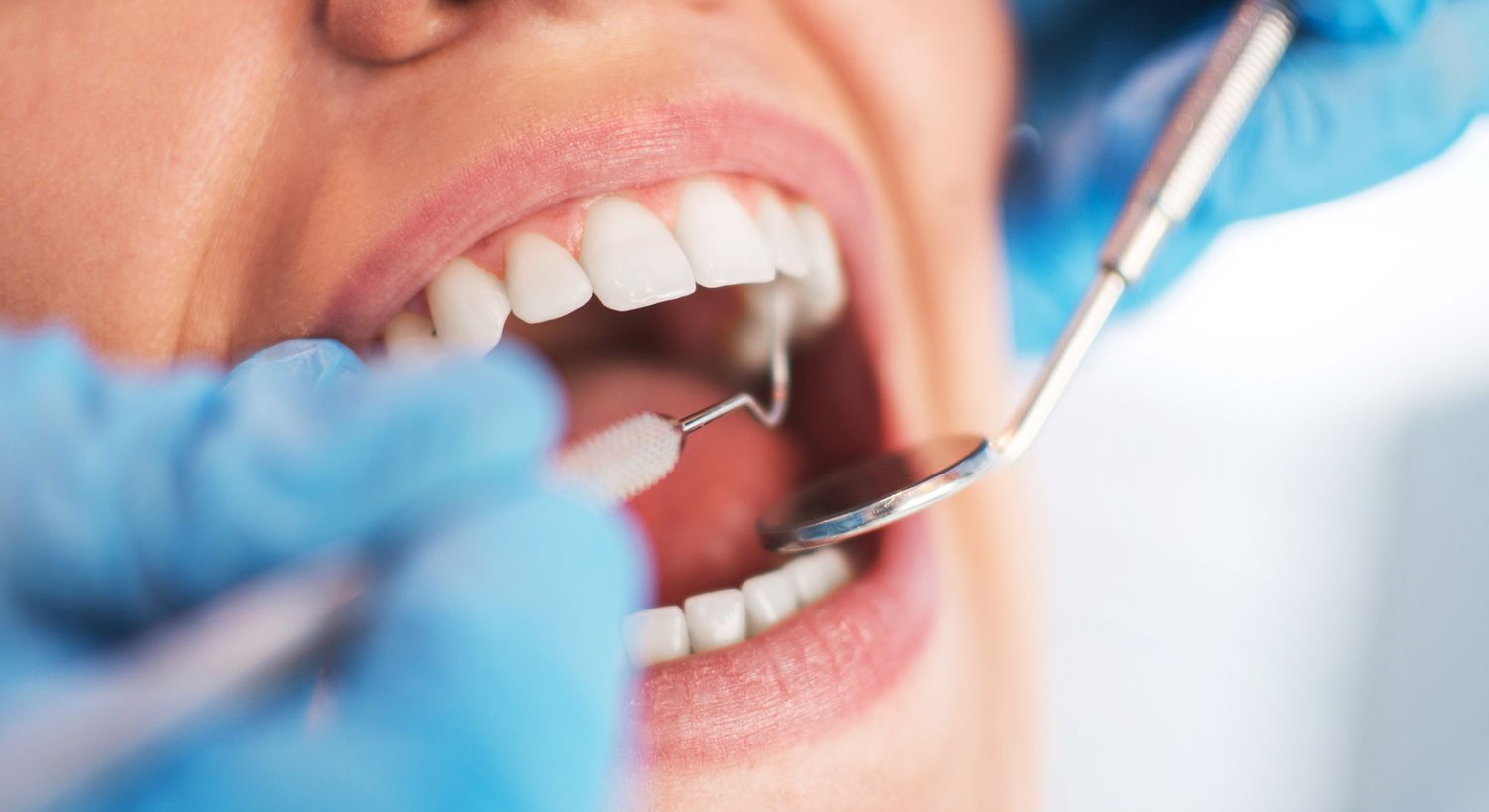
At The Dental Team in Cherry Creek, our team provides safe, effective bone grafting to prepare patients for implants and long-term oral health.
A healthy smile depends on a strong foundation. When teeth are lost or gum disease causes bone loss, the jawbone can weaken over time. This makes it harder to place dental implants and can even change the shape of your face. Bone grafting is a procedure that rebuilds bone where it has been lost, restoring strength and stability.
Bone grafting is a procedure that adds bone material to areas of the jaw where bone has been lost. The graft can come from your own body, a donor source, or synthetic materials. Over time, the graft integrates with your natural bone, creating a strong, stable foundation for dental implants or other restorative treatments.


The procedure begins with a consultation and imaging to determine where bone support is needed. During treatment, the area is numbed with local anesthesia, and sedation is available for your comfort. The grafting material is placed where bone has receded, and the area is carefully closed to allow healing. Recovery typically involves only mild discomfort, and most patients return to normal activities within a few days. The graft gradually fuses with your natural bone over the following months, creating lasting strength.
By restoring bone density, grafting ensures the jaw is healthy and ready for future restorative treatments. Bone grafting is commonly recommended for patients who:

By restoring bone support, bone grafting helps prevent further tooth loss, improves chewing function, and preserves long-term oral health. It is also a critical step for patients planning dental implants, ensuring the treatment is successful and stable.
Bone grafting can improve the look of your smile and face by maintaining natural contours that would otherwise collapse with bone loss. Patients often notice their facial shape looks more supported and natural after treatment, especially in the cheeks and jawline.
Most patients who have experienced bone loss due to missing teeth, gum disease, or other conditions are good candidates for bone grafting. Patients should be in generally good health and free of uncontrolled medical conditions that affect healing. At The Dental Team, we’ll review your health history and goals to determine if bone grafting is the right step for you.

Recovery time following bone grafting depends on the extent of the procedure.
After bone grafting, patients may experience mild swelling or discomfort for a few days. This can be managed with over-the-counter medication and ice packs. Eating soft foods and following post-treatment instructions helps ensure smooth healing. Most patients feel back to normal quickly, though the bone graft itself takes several months to fully integrate.
The true results of bone grafting are seen when implants or other restorations are placed successfully. Patients enjoy stronger, healthier smiles, improved chewing ability, and better facial support. With proper care, bone grafts can last a lifetime.
The procedure itself is not painful since it is performed under local anesthesia. Some soreness afterward is normal, but it is usually mild and temporary.
Initial recovery is a few days, but the graft takes several months to fully integrate with your natural bone.
Not always. Some patients have enough bone for implants without grafting. Your dentist will determine if it is necessary.
Bone grafts can come from your own body, donor tissue, or synthetic materials. All are safe and widely used.
Yes, in some cases. Restoring bone helps maintain natural facial contours that may sink in with bone loss.
Soft foods are recommended at first, but most patients return to normal eating within a few days.