.png) Book Now
Book Now  720-464-4804
  Find A Location
 Get strong, natural-looking dental fillings to restore cavities and protect your teeth. Schedule your appointment with The Dental Team today!

Cavities and tooth decay might sneak up on you, but they don't have to stick around.
At The Dental Team, our focus is on providing exceptional dental fillings that protect and restore your teeth while maintaining their natural appearance. Our skilled team uses advanced materials such as tooth-colored composite resin for both new fillings and replacements. We prioritize comfort and durability to ensure each restoration blends perfectly with your smile.
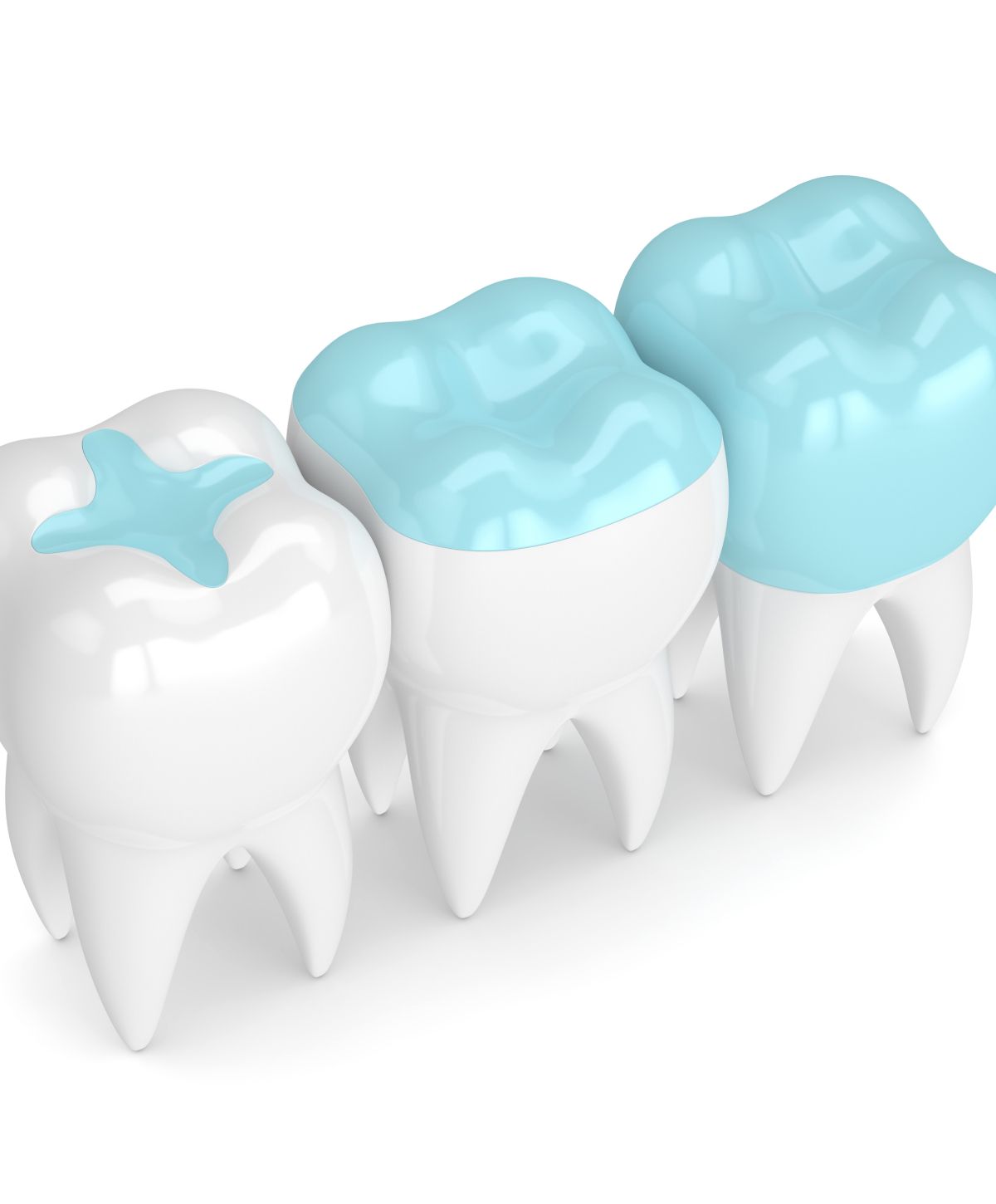
Dental fillings restore teeth damaged by decay or erosion, ensuring both functionality and aesthetics. By repairing compromised areas, they prevent further harm and maintain a healthy smile. Various materials are available, each with unique benefits.
Choosing the right type depends on the cavity's location, personal preferences, and insurance considerations. Fillings play a crucial role in preserving dental health and boosting confidence.


Dental fillings offer unique benefits based on their materials. At our Cherry Creek office, we prioritize your individual needs. Our experienced dentists will guide you through options—from the natural look of composite resin to the durability of amalgam—ensuring a choice that suits your lifestyle and oral health. Your comfort and satisfaction are our top priorities as we work together for a healthy, confident smile.
Composite Resin (Tooth-Colored Fillings)
Blended to match your natural tooth shade, composite fillings are ideal for visible areas like front teeth. They bond directly to the tooth, offering both strength and a natural appearance.
Glass Ionomer Fillings
Often used for children or in areas with gum recession, these fillings release fluoride to help protect against future decay. They’re a good option for less stress-bearing areas of the mouth.
Indirect Fillings (Inlays and Onlays)
Custom-made in a dental lab, inlays and onlays are used when a tooth is too damaged for a standard filling but doesn’t require a full crown. They offer added strength, precision, and durability.
Most dental fillings are completed in one visit with minimal downtime.
Here's what to expect:
Step 1: Numbing the Area
A local anesthetic is applied to numb the tooth and surrounding area, keeping you comfortable throughout the procedure.
Step 2: Removing Decay
The dentist gently removes any decay and cleans the tooth to eliminate bacteria and prepare it for the filling.
Step 3: Placing the Filling
The filling material—often composite resin—is applied in layers, shaped to fit your bite, and hardened with a special curing light.
Step 4: Final Polish & Bite Check
The restoration is polished for a smooth, natural feel, and your bite is adjusted to ensure proper comfort and function.
Tooth decay often hides beneath the surface, causing discomfort or sensitivity. Regular dental check-ups and cleanings help catch cavities early, potentially avoiding more invasive treatments like root canals or crowns.
Experiencing discomfort when enjoying cold treats, sugary foods, or hot drinks might be a sign of tooth sensitivity. This common issue occurs when the protective enamel on your teeth wears down, exposing the sensitive inner layers. It's important to address these symptoms early to maintain oral health and comfort.
Visible holes or dark spots on your teeth can be concerning, often indicating tooth decay or cavities. These signs mean your tooth's enamel is compromised, allowing bacteria to penetrate deeper layers.
A rough or broken filling isn't just inconvenient; it can cause discomfort, sensitivity, and pain when eating. Left untreated, these damaged fillings can become a breeding ground for bacteria, potentially leading to decay or infection. Addressing the issue promptly not only alleviates immediate discomfort but also prevents future dental complications.
Cavities often surface during dental check-ups. They're tiny holes formed when bacteria produce acid, leading to tooth decay. Regular visits to the dentist allow for early detection and treatment, preventing more serious problems like toothaches or infections.
After a dental filling, minimal downtime is typical. To keep your restored tooth strong, proper aftercare is key. You might notice some sensitivity or mild discomfort at first; this is normal and usually fades quickly.
What to Expect After a Dental Filling
Caring for Your Dental Fillings in Cherry Creek
Protect your dental work and maintain oral health with these simple habits:

Once your filling procedure is complete, the structure of your tooth will be restored, allowing you to eat and speak comfortably once the anesthetic wears off.
The repaired tooth ensures you can enjoy meals and conversations without discomfort. The process not only addresses immediate concerns but also contributes to long-term oral health by preventing further decay or damage. You’ll notice a seamless transition back to your daily activities with renewed confidence in your smile and oral function.
Experiencing tooth sensitivity, pain while chewing, or spotting cavities? These could be signs that you need a dental filling. Dentists in Cherry Creek can address decay and minor fractures during routine exams. Ignoring these issues might lead to more intensive treatments like root canals or major restorations. Early intervention is key—it preserves your oral health and prevents further complications down the line.
With local anesthesia, getting a dental filling is typically painless. After the procedure, some people might feel slight sensitivity to cold or sweet foods, but this usually fades quickly. If discomfort continues, using desensitizing products or making minor adjustments can help alleviate the issue.
Composite resin fillings blend seamlessly with your natural teeth, making them a popular choice for front teeth. Unlike silver amalgam, these fillings not only offer an attractive appearance but also provide durability. Glass ionomer fillings are another excellent option, releasing fluoride to help prevent future decay. Both solutions ensure that your smile remains both beautiful and protected.
Once the anesthetic wears off after a composite filling, you can eat immediately since the material sets right away. If sensitivity arises, it's wise to steer clear of very hot or cold foods on the first day. This approach helps with comfort and lets your mouth adjust naturally to the new filling. Being gentle with your teeth ensures you'll be back to enjoying all your favorite foods in no time!
Direct fillings, like composite resin or amalgam, are quick solutions for small cavities and completed in one visit. They provide immediate relief, but their impact might not last as long for bigger issues. Indirect fillings, such as inlays, onlays, and crowns, are crafted in labs and involve two appointments. These options are ideal for larger decay areas due to their superior strength and longevity.
Dental fillings' lifespan varies by material and oral care. Composite resin lasts about 5-10 years, gold can exceed 20 years, and glass ionomer typically lasts 5-7 years. By practicing good oral hygiene and scheduling regular check-ups in Cherry Creek, you can extend the life of your fillings significantly.
A dental filling can loosen or dislodge from biting pressures, decay, or wear. If you notice a missing filling, sharp edges, or increased sensitivity, Cherry Creek dentists are ready to provide replacement options. This helps maintain your tooth's integrity and comfort effectively.