.png) Book Now
Book Now  720-464-4804
  Find A Location
 Get strong, natural-looking dental fillings in Denver to restore cavities and protect your teeth. Schedule your appointment with The Dental Team today!

Cavities and tooth decay are frequent dental concerns, but with proper care, they don't have to affect your oral health in the long run.
At The Dental Team, we offer top-notch dental fillings to fix damaged teeth, halt further decay, and rebuild your natural tooth structure. Utilizing advanced filling materials like tooth-colored composite resin, we provide personalized solutions tailored to your unique dental needs. Whether you're getting a new filling or replacing an old one, our experienced team ensures a comfortable experience with long-lasting and natural results.
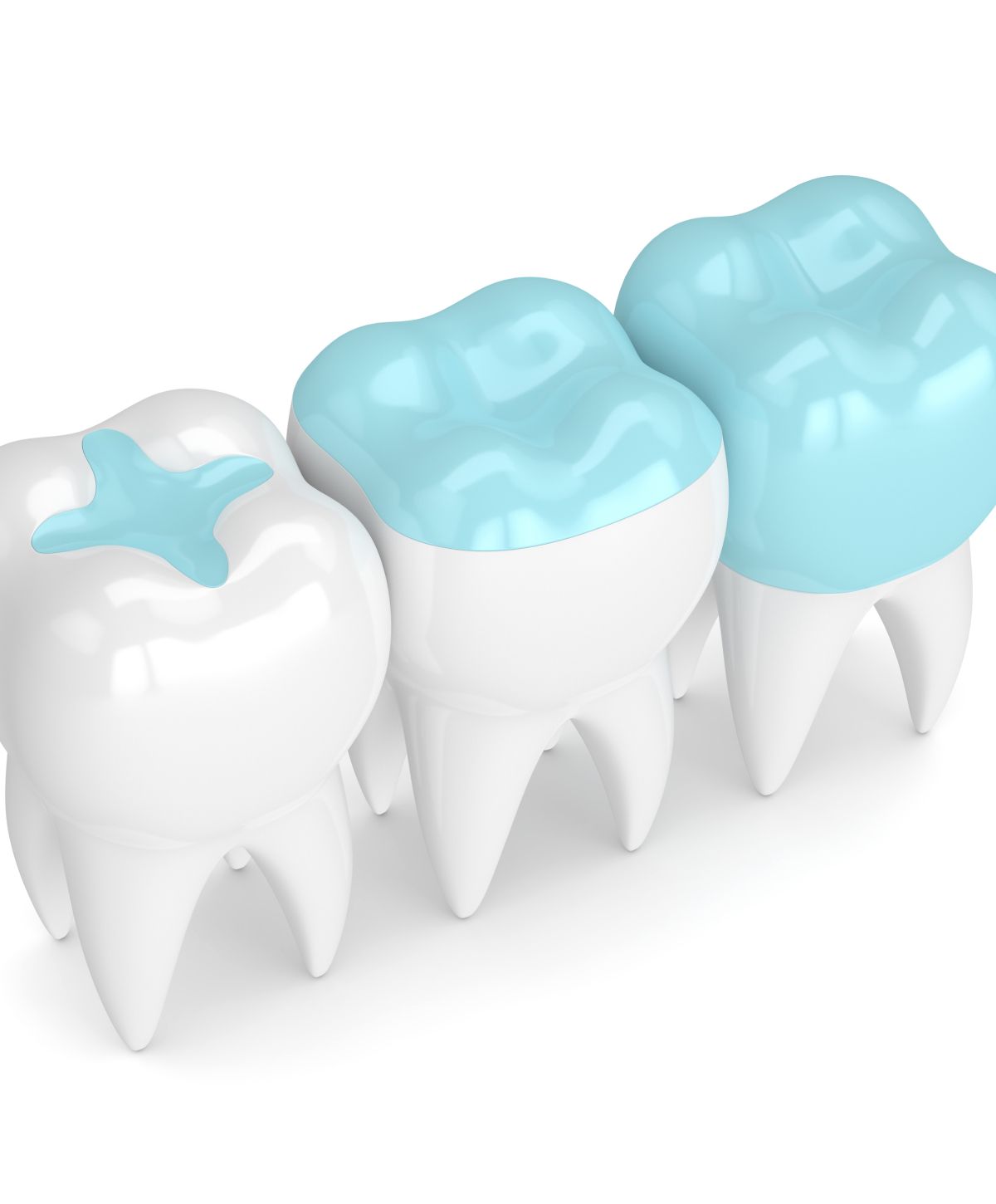
Dental fillings are materials used to restore teeth that have been compromised by decay, fractures, or wear. They help rebuild the tooth's structure, prevent further decay, and enhance the function and appearance of the restored tooth.
Fillings can be crafted from different materials, each with distinct advantages. The optimal dental filling choice for you will depend on factors such as the cavity's location, your personal preference, and insurance considerations.


When you visit us, our dentist will assist you in selecting the optimal filling material suited to your needs. There are multiple dental filling options available, each offering unique benefits:
Composite Resin Fillings (Tooth-Colored Fillings) These tooth-colored composite resin fillings blend perfectly with natural teeth and are perfect for front teeth and visible areas. They adhere directly to the tooth structure, ensuring a strong and visually pleasing restoration.
Glass Ionomer Fillings Featuring fluoride content to aid in protection against further decay, these are frequently used for children's teeth or adult teeth at recession or root surfaces.
Indirect Fillings (Inlays and Onlays) These custom-made restorations from a dental lab are more durable than direct fillings and are chosen when a tooth is too damaged for a regular filling but doesn't require a full crown.
Undergoing a dental filling is usually swift and comfortable, often finished in a single office visit. Here's what you can anticipate:
The majority of patients can return to their usual activities right after their visit.
If the decay is substantial, you might require a root canal or crown instead of just a filling. Consider getting a dental filling if you notice:
Sensitivity or discomfort in your teeth, particularly when consuming cold items, sugary foods, or hot beverages
Noticeable holes or darkened areas on your teeth
A damaged or worn-out filling that needs attention
Cavities found during your regular dental examination
Most patients experience minimal downtime after getting a dental filling, but proper aftercare is crucial for optimal results. Here's what you should anticipate and how to maintain your newly filled tooth.
What to Expect After a Dental Filling
Caring for Your Dental Fillings
To prevent further decay and maintain your dental restorations in excellent condition, follow these guidelines:

Experience immediate enhancements following your dental filling procedure. Your tooth's integrity will be reinstated, allowing you to return to regular eating and speaking once the local anesthetic effect diminishes. If a tooth-colored composite filling was used, it will integrate perfectly with your natural teeth from the start.
If you have tooth sensitivity, discomfort when biting, noticeable cavities or discoloration, or rough tooth surfaces, you might need a dental filling. Dentists often use fillings to repair tooth structure after identifying cavities or small fractures during check-ups. Ignoring these issues could lead to more serious treatments like a root canal.
The process of getting a dental filling is usually pain-free, thanks to the use of local anesthetics. Some individuals might feel slight sensitivity to cold or sweet foods afterward, but this generally subsides within days. Persistent discomfort may require a visit for a potential adjustment.
Tooth-colored composite resin fillings are ideal for front teeth due to their ability to match the appearance of your own teeth. Unlike traditional silver amalgam fillings, composites offer an aesthetically pleasing result. Alternatively, glass ionomer fillings, which release fluoride, can help in preventing further decay.
If you've received a composite filling, eating is possible once the effects of the local anesthetic fade since these materials harden right away. It's advisable to avoid extremely hot or cold food initially if sensitivity occurs.
The majority of materials used in dental fillings are safe and effective.
The duration that a filling lasts depends largely on both its material and your oral care habits:
A good oral hygiene routine and regular dental visits support longer-lasting results.