.png) Book Now
Book Now  720-464-4804
  Find A Location
 Bone grafting helps rebuild jawbone density and shape, creating the strong foundation needed for lasting oral health.
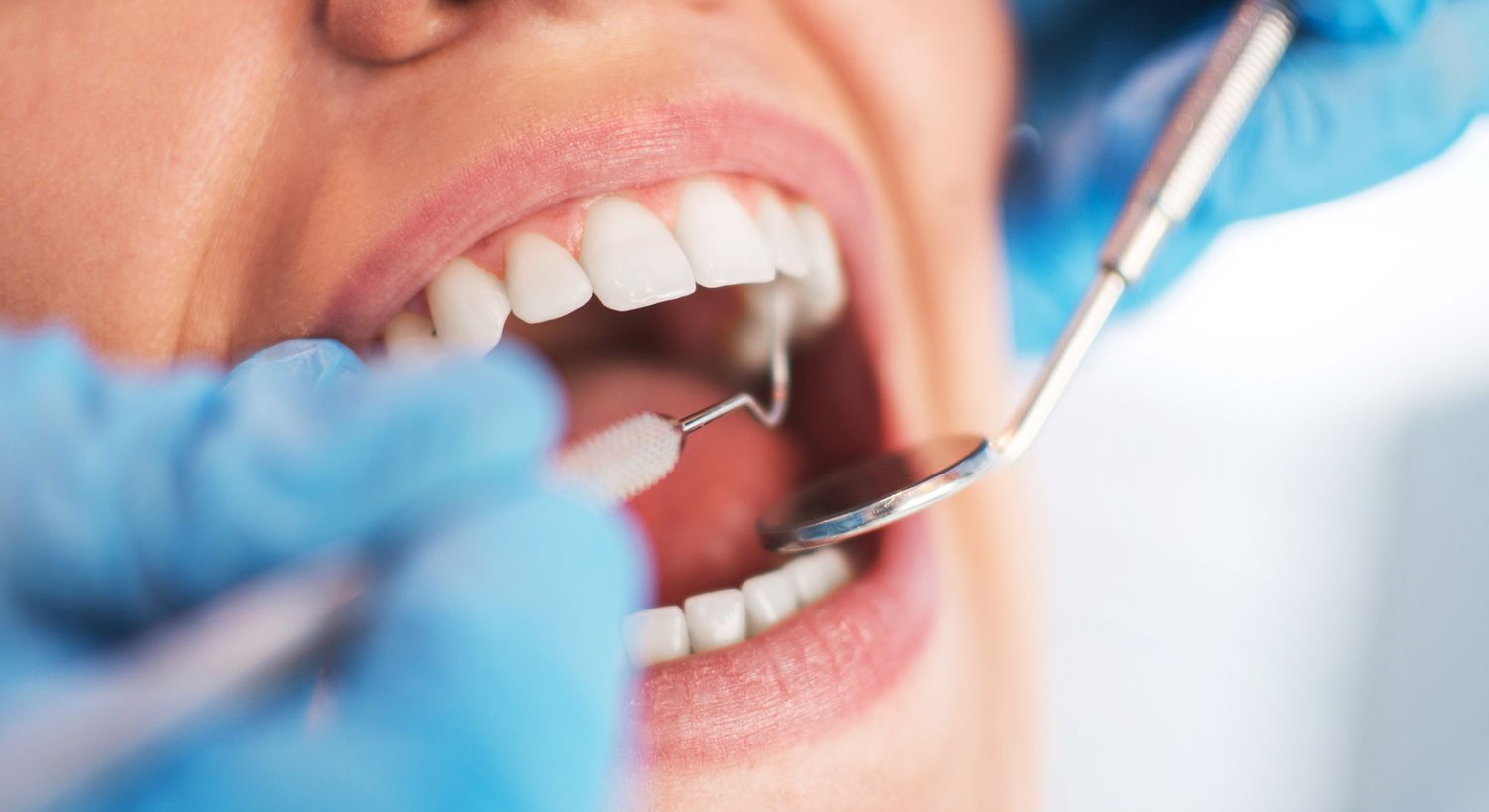
At The Dental Team, we offer complete dental care, including advanced bone grafting treatments to restore jawbone health.
Bone loss in the jaw can impact more than just your oral health. It can affect your ability to chew, speak, and even change the shape of your face. Bone grafting procedures rebuild jawbone structure, restore strength, and prepare your smile for lasting restorations like dental implants.
Bone grafting is a specialized procedure used to rebuild areas of the jaw where bone has been reduced due to injury, periodontal disease, or missing teeth. By restoring bone density, it provides the necessary support for dental implants while also improving the jaw’s overall function and appearance.


Bone grafting is performed under local anesthesia to keep you comfortable, with sedation options available to ease anxiety. To begin, the dentist makes a small incision in the gum to access the jawbone, then carefully positions the grafting material in areas where bone density is lacking. The graft may come from your own bone, a donor source, or a biocompatible synthetic material. Once placed, the site is securely closed with sutures to promote proper healing.
Bone grafting is used to address bone loss and prepare the jawbone for restorative treatments.

Bone grafting is often recommended for patients planning dental implants or those who have lost bone because of missing teeth, gum disease, or injury. Our dentists will carefully evaluate your oral health and unique needs to determine whether bone grafting is the best option for restoring your smile.

Recovery from a bone graft depends on the complexity of your procedure.
It’s normal to experience mild swelling or soreness for the first few days following treatment. To support proper healing, our dental team will provide clear aftercare guidelines and personalized tips to make your recovery as comfortable and stress-free as possible.
Bone grafting typically delivers long-lasting results. As the graft gradually fuses with your natural jawbone, it strengthens the area and rebuilds a solid foundation, whether for future dental implants or to restore proper jaw structure. Full healing can take several months, during which our dentists will arrange follow-up appointments to carefully monitor your progress and ensure everything is on track.
The procedure itself is performed under local anesthesia, so you won’t feel pain during surgery. There may mild soreness or swelling may afterward, but it’s usually easy to manage with common pain relievers.
Timing depends on how much grafting is required and the complexity of the case. Some procedures are completed quickly, while more extensive grafting may take longer.
Graft material can come from a few different sources: your own bone, donated bone, or safe, synthetic substitutes. Your dentist will recommend the best option based on your needs.
The grafted bone typically needs several months to fuse with your natural jawbone. Once healing is complete, your dentist can move forward with implant placement.
Like all surgical treatments, bone grafting carries small risks, such as infection, bleeding, or graft failure. Your dentist will review these with you and explain how we minimize potential complications.
Coverage differs depending on your insurance plan. Our team can help you review your benefits and explore financing options if needed.