.png) Book Now
Book Now  720-464-4804
  Find A Location
 Treat gum disease and protect your oral health with a deep cleaning in Loveland. Our scaling and root planing service removes plaque, fights infection, and helps prevent bone loss. Book your appointment today!

If it’s been a long time since your last cleaning or your gums are tender, swollen, or bleed easily, you may need more than a standard cleaning.
At The Dental Team, we offer deep cleanings, also known as scaling and root planing, to treat gum disease, reduce inflammation, and help prevent bone loss. Gum disease is one of the leading causes of tooth loss, but early intervention can restore gum health and protect your smile. Our gentle, non-surgical approach removes bacteria from beneath the gumline, smooths tooth roots, and helps stop further gum recession and bone damage.
If you notice bleeding gums, ongoing bad breath, or gum sensitivity, don’t wait. Schedule your deep cleaning today to keep your gums and teeth healthy.
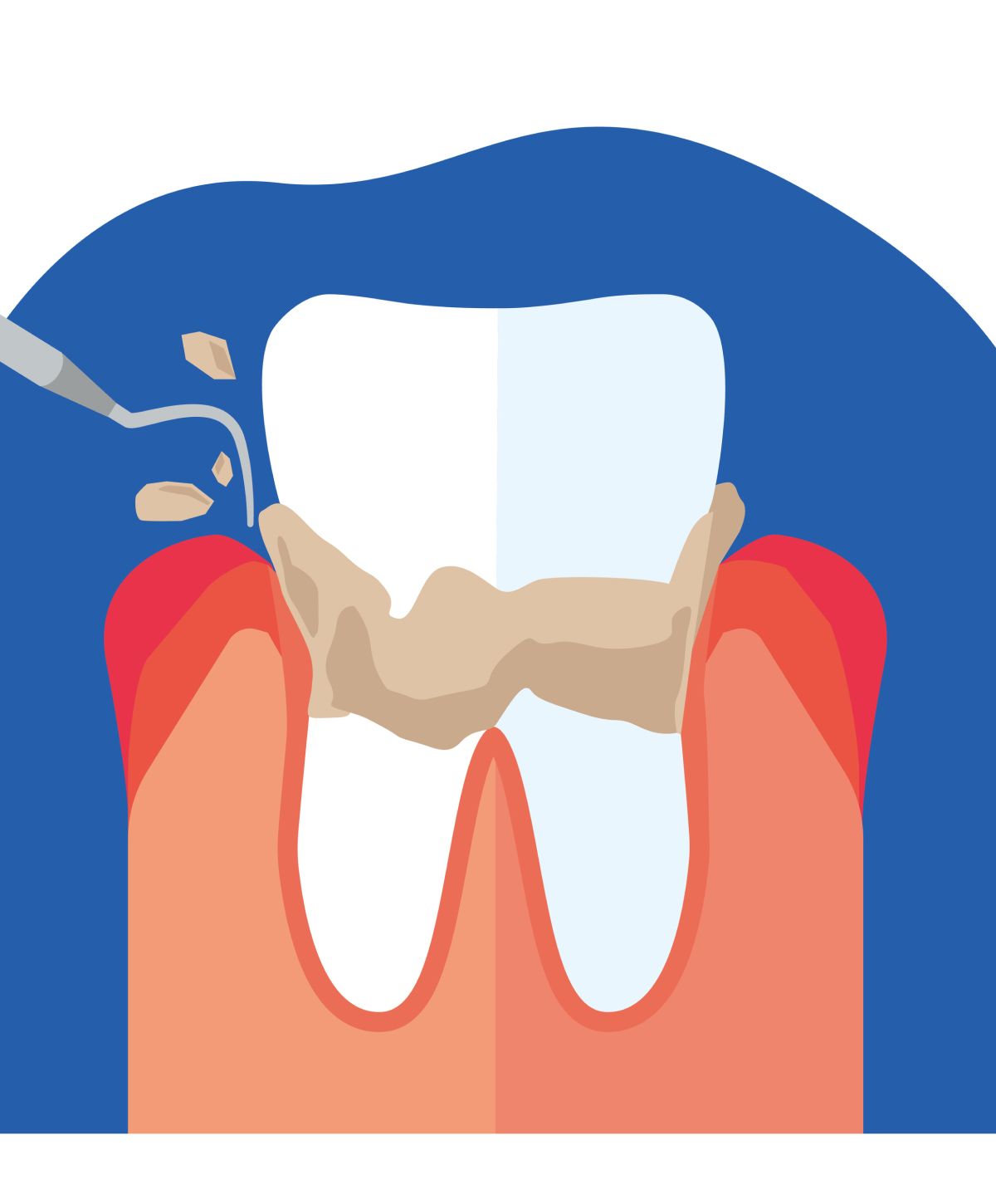
Deep cleaning, also known as scaling and root planing, is a specialized treatment designed to remove plaque, tartar, and bacteria from beneath the gumline. While a routine cleaning focuses on the visible surfaces of your teeth, this procedure targets the tooth roots and surrounding gum tissue for deeper care.
The process includes two steps:
Scaling – Removes hardened plaque and tartar from below the gumline, clearing away bacteria that cause gum inflammation.
Root Planing – Smooths the root surfaces to help gums reattach and heal properly, reducing the risk of future infection.
Deep cleaning is often recommended for patients with early to moderate gum disease to stop progression and protect long-term oral health.


Gum disease, also called periodontal disease, is a bacterial infection that damages the gums and the bone that supports your teeth. It often begins with mild signs but can lead to serious dental and overall health problems if not treated promptly.
Stages of Gum Disease
Gingivitis – The earliest stage, often causing bleeding gums, bad breath, and mild swelling. At this point, gum disease can usually be reversed with a professional deep cleaning and better at-home care.
Periodontitis – A more advanced stage where gums may recede, bad breath becomes constant, and pockets form between the teeth and gums. Deep cleaning is essential here to clear out bacteria and help stop bone loss.
Advanced Periodontitis – The most severe stage, where the bone holding the teeth in place starts to deteriorate. Teeth may become loose, and tooth loss is possible. In many cases, surgical treatment may be required.
If you’ve been diagnosed with gum disease, starting with a deep cleaning is one of the most important steps to slow or stop the progression and protect your smile.
We work to make your deep cleaning appointment as comfortable and stress-free as possible. Here’s what typically happens during the process:
Numbing for Comfort – Before starting, we may apply a numbing gel or use a local anesthetic to keep you comfortable.
Cleaning Beneath the Gumline – Using specialized instruments, we remove plaque and tartar buildup from under the gums and in the spaces between your teeth and gums.
Root Smoothing – We gently smooth the tooth roots to discourage bacteria from reattaching and to promote healthy gum reattachment.
Antibacterial Support – In some cases, we’ll use an antimicrobial rinse or medication to further reduce bacteria and help the healing process.
Depending on the severity of gum disease, this treatment may be completed in one or two visits. Most patients report minimal discomfort, and the long-term benefits for your oral health are well worth it.
Not sure if you need more than a standard cleaning? If you’ve noticed any of the following, you may benefit from scaling and root planing:
It’s never too late to focus on your oral health. A deep cleaning can help restore gum health, improve comfort, and prevent more serious dental problems down the road.
After a deep cleaning, it’s common for your gums to feel slightly tender or sensitive for a few days. This is temporary and part of the healing process. To help your recovery go smoothly:
Most patients notice their gums looking healthier and pinker within a few weeks. By keeping up with regular dental visits, you can maintain these improvements and protect your oral health for the long term.


Keeping your gums healthy after a deep cleaning takes consistent care. To help prevent gum disease from progressing:
Following these steps can help keep your gums healthy, reduce inflammation, and lower the chances of needing another deep cleaning in the future.
No. A deep cleaning, also called scaling and root planing, is different from a standard dental cleaning. A routine cleaning focuses on removing plaque and tartar from the visible surfaces of your teeth. A deep cleaning goes beneath the gumline to clear away bacteria, tartar, and infection that contribute to gum disease. If you have symptoms like bleeding gums, gum recession, or bone loss, your dentist may recommend this treatment.
You may need a deep cleaning if you’re experiencing:
During your exam, your dentist will measure the depth of the pockets around your teeth. Pockets deeper than 4mm often require a deep cleaning to prevent further damage.
Most patients find the procedure comfortable. Because it involves cleaning below the gumline, your dentist may use local anesthesia or numbing gel. Some mild tenderness or sensitivity afterward is normal and usually subsides within a few days.
A deep cleaning is often split into two appointments, each one treating one side of your mouth. Sessions typically last 45 minutes to an hour, depending on how advanced the gum disease is. Milder cases may be completed in a single visit.
Since your gums may be sensitive, stick to soft foods for a short period, such as:
Avoid crunchy, hard, or spicy foods right after treatment to prevent irritation.
Yes. By removing bacteria and infection, deep cleaning gives your gums the opportunity to reattach to your teeth and heal. With proper oral hygiene and regular follow-up care, you should notice reduced inflammation and healthier gums within a few weeks.