.png) Book Now
Book Now  720-464-4804
  Find A Location
 Restore your teeth and prevent further decay with durable, natural-looking dental fillings. Book your visit with The Dental Team today!

Tooth decay and cavities are common issues, but with proper care, they don’t have to compromise your long-term oral health.
At The Dental Team, we offer high-quality dental fillings designed to repair damage, stop decay from spreading, and rebuild your tooth’s natural structure. Using advanced materials such as tooth-colored composite resin, we create restorations that are both durable and discreet. Whether you need your first filling or a replacement for an older one, our experienced team ensures a comfortable experience and a natural-looking result that blends seamlessly with your smile.
Dental fillings are used to repair teeth that have been weakened by cavities, cracks, or everyday wear. This treatment uses composite resin or other materials to rebuild the tooth’s structure, protect it from further decay, and improve both its function and appearance.
There are several types of filling materials available, each offering unique benefits. The ideal choice often depends on the size and location of the cavity, your personal preferences, and your insurance coverage.


There are several types of dental filling materials, each designed with unique advantages. At our Loveland, CO office, your dentist will help you choose the option that best fits your oral health needs and cosmetic preferences.
Composite Resin (Tooth-Colored Fillings) Made from a natural-looking resin, these fillings blend seamlessly with your teeth. They’re an excellent choice for front teeth or other visible areas, bonding securely to the tooth for a strong and attractive restoration.
Glass Ionomer Fillings These fillings release fluoride, which helps guard against future decay. They’re often recommended for children’s teeth, as well as for adults with gum recession or cavities on root surfaces.
Indirect Fillings (Inlays and Onlays) Created in a dental lab, inlays and onlays provide more durability than traditional fillings. They are ideal when a tooth has too much damage for a standard filling but doesn’t yet require the full coverage of a crown.
Getting a dental filling is a quick and straightforward procedure. Here’s what you can expect:
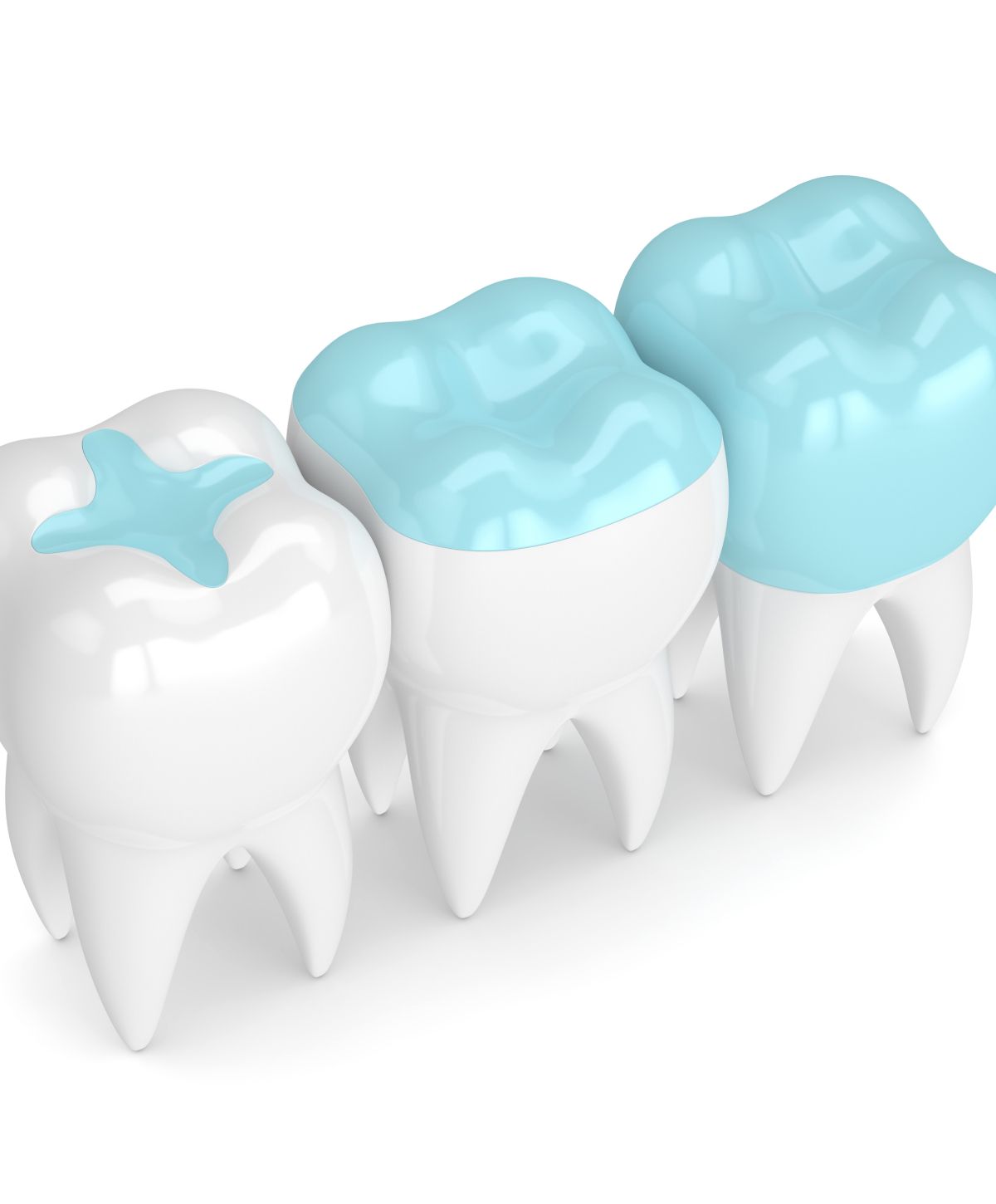
Tooth decay isn’t always obvious. Sometimes it causes pain or sensitivity, but in many cases, it can go unnoticed until it worsens. That’s why routine exams and professional cleanings are so important; they allow your dentist to detect cavities early and treat them before more extensive procedures, like a crown or root canal, are needed.
You may require a dental filling if you experience:
Sensitivity or discomfort when eating or drinking hot, cold, or sugary foods and beverages
Visible dark spots, pits, or holes on a tooth
A worn, chipped, or broken filling that needs repair
Cavities identified during a routine dental checkup
Most patients can return to their daily routines right after getting a dental filling, but following the right aftercare steps ensures the best healing and long-term results. Here’s what to expect and how to care for your restored tooth:
What You May Notice After a Filling
Tips for Maintaining Your Filling

Once your filling is complete and the numbness from anesthesia fades, you’ll be able to eat and speak comfortably again. The restored tooth will feel strong and natural, giving you the confidence to chew without hesitation. If a tooth-colored material was used, it will blend seamlessly with your surrounding teeth, making the restoration virtually unnoticeable.
Beyond improving appearance and function, the filling also helps protect the tooth from further decay or damage. With good oral care and regular dental checkups, your restoration can function just like a natural tooth and last for many years.
If you’re dealing with tooth sensitivity, pain while chewing, or notice visible dark spots, holes, or rough edges on a tooth, it may be a sign that you need a dental filling. During an exam, your dentist can confirm whether decay or small fractures are present and recommend a filling to restore the tooth’s structure. Addressing cavities early is essential. If left untreated, they can progress and eventually require more complex treatments like a root canal or crown.
The process of getting a filling is typically quick and comfortable, as local anesthesia keeps the procedure pain-free. Some patients may notice slight sensitivity to temperature changes or sweet foods afterward, but this usually fades within a few days. If discomfort lingers, your dentist can make adjustments or apply a desensitizing treatment.
For more visible teeth, composite resin fillings are the most popular choice since they match the natural color of enamel for a seamless look. Glass ionomer fillings are another option, particularly for patients who benefit from fluoride release to help protect against future decay.
After a filling is placed, you can usually resume eating once the numbness wears off. Composite restorations harden instantly, but if you notice sensitivity, it’s best to avoid very hot or cold foods during the first day.
There are two main types of fillings: direct and indirect. Direct fillings, such as amalgam or composite, are applied directly into the cavity and hardened during a single appointment. Indirect fillings, like inlays, onlays, or gold crowns, are fabricated in a dental lab and placed in a second visit, offering added strength for larger restorations.
How long your filling lasts depends on the material and your oral care routine. Composite fillings generally hold up for 5–10 years, glass ionomer lasts about 5–7 years, while gold restorations can remain intact for decades with proper maintenance. Regular brushing, flossing, and dental checkups play a key role in extending the lifespan of your filling.
Though uncommon, fillings can sometimes become loose or fall out due to wear, biting pressure, or new decay. If this happens, you may notice sensitivity, sharp edges, or discomfort. It’s important to see your dentist promptly so the tooth can be protected and restored before more serious damage occurs.