.png) Book Now
Book Now  720-464-4804
  Find A Location
 Regain a complete, natural-looking smile with custom dentures, available in both traditional and implant-supported options. Schedule your consultation with The Dental Team today!

Living with missing teeth can affect more than just your appearance. It can make everyday activities like eating and speaking more difficult and impact your confidence. Fortunately, today’s dentures are designed to look natural, feel comfortable, and restore function so you can enjoy life without hesitation.
At The Dental Team in Loveland, CO, we provide high-quality traditional dentures, partials, and implant-supported options, all crafted to blend seamlessly with your smile. Each set is customized for a secure, comfortable fit and reliable long-term results. Don’t let tooth loss hold you back. Schedule your denture consultation today and rediscover the comfort and confidence of a complete smile!
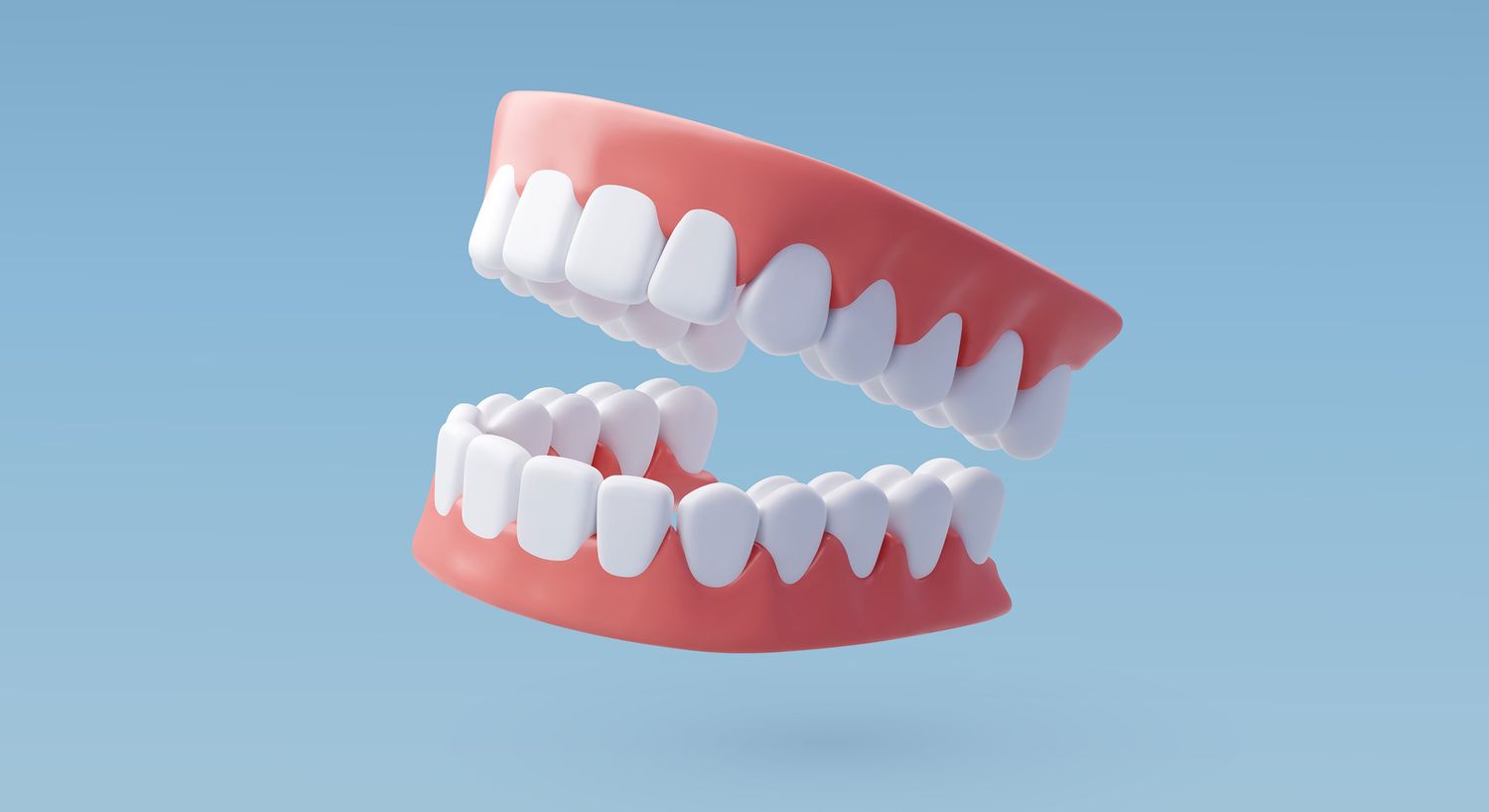
Dentures are removable appliances designed to replace missing teeth while restoring normal function and appearance. Made from materials such as acrylic, porcelain, or composite, they are carefully crafted to resemble natural teeth and gums. By improving chewing ability, speech, and overall confidence, dentures can greatly enhance quality of life. The most suitable option will depend on your oral health, lifestyle, and budget.
The two main types of dentures include:
Traditional Dentures - These rest directly on the gums and jawbone, relying on natural suction or dental adhesive to remain in place.
Implant-Supported Dentures - Secured with dental implants, these dentures provide enhanced stability and comfort, staying firmly in position without slipping.
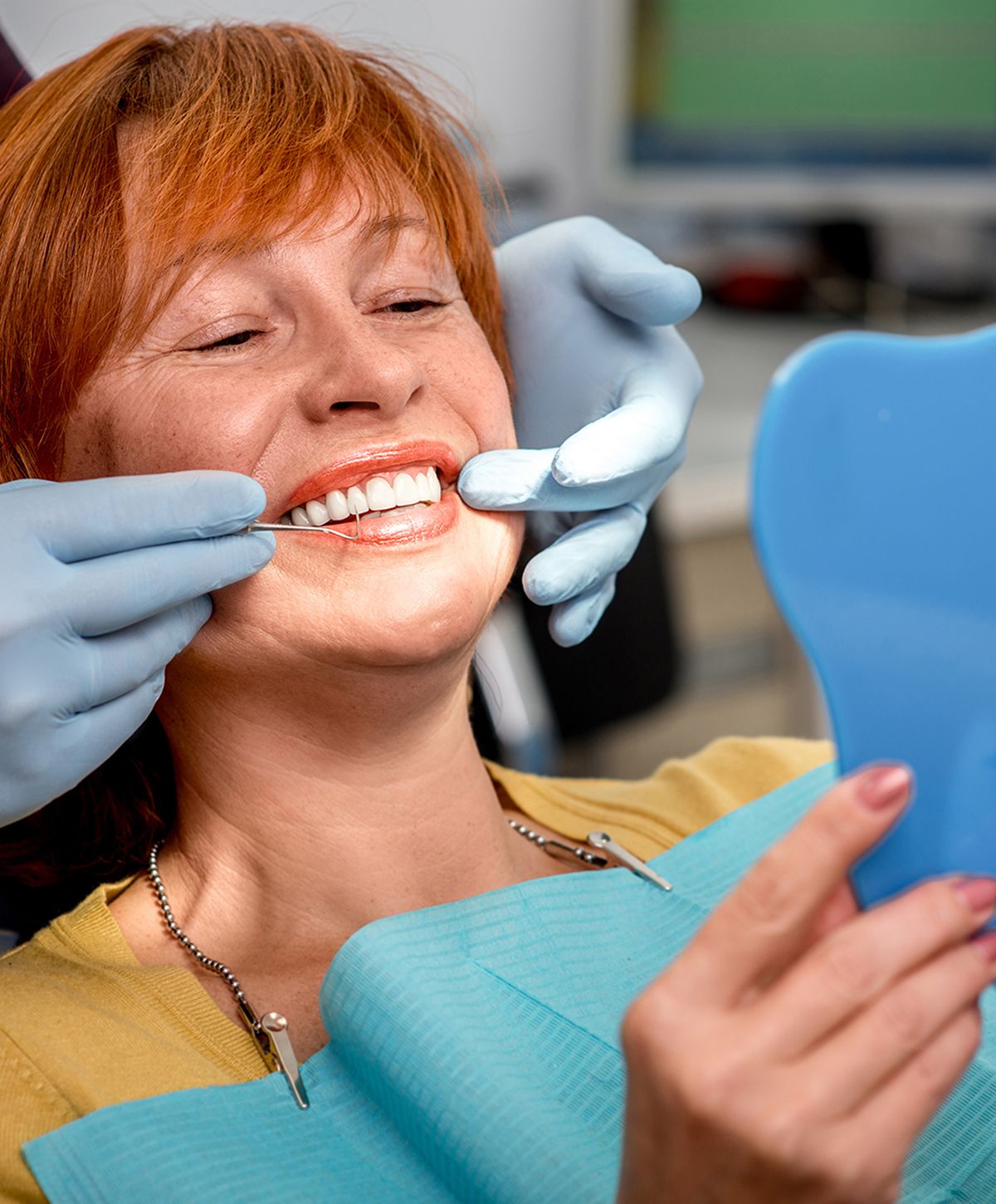

Traditional dentures remain a reliable and cost-effective solution for those dealing with tooth loss.
Designed to replace an entire set of teeth on either the upper or lower arch, full dentures fit securely over the gums and are held in place through natural suction or denture adhesive. They are an excellent choice for individuals who have lost all their teeth, helping maintain facial structure and preventing a sunken appearance. They must be removed daily for cleaning and may also require periodic adjustments as the jawbone naturally changes shape over time.
When some natural teeth are still present, partial dentures provide an effective replacement option. These appliances consist of prosthetic teeth attached to a metal or acrylic base that clasps onto the existing teeth for support. They help fill gaps, protect the alignment of remaining teeth, and can be easily removed for cleaning. If additional teeth are lost later, partial dentures can often be modified to adapt to those changes.
If you’re looking for a long-lasting and highly secure tooth replacement option, implant-supported dentures provide exceptional stability and comfort. Unlike traditional dentures, these are anchored to dental implants, preventing slipping and offering a more natural feel. They are ideal for patients who want a dependable, functional, and comfortable solution to tooth loss that also helps preserve jaw health.
Benefits of Implant-Supported Dentures
There are two categories of implant-supported dentures available:
Attached securely to four to six implants, these dentures function much like natural teeth and are only removable by a dentist for maintenance or professional cleaning.
Designed to attach securely to two to four implants, these dentures can be removed by the patient for cleaning but still provide far greater stability than traditional removable dentures.

The process of getting dentures begins with a thorough consultation, where your dentist evaluates your oral health, takes precise digital impressions, and discusses the options that best fit your needs. These impressions serve as the foundation for creating dentures that are both functional and natural-looking.
For traditional dentures, a dental lab carefully fabricates your custom set based on the impressions. If you opt for implant-supported dentures, the process may involve additional steps, such as placing dental implants to provide a secure foundation for your restoration.
Once your dentures are ready, you’ll return for a fitting appointment to ensure they fit comfortably and securely. It’s common to need minor adjustments as your mouth adapts to the new appliance, helping you achieve the most natural feel possible.
Ongoing care doesn’t end there. Regular dental visits allow your dentist to monitor the condition of your dentures and oral health, ensuring your restoration remains comfortable, functional, and long-lasting.
Dentures may be the right solution if you’re dealing with several missing teeth or complete tooth loss and are looking for an affordable, efficient way to restore your smile. They not only improve your ability to chew and speak but also help support your facial structure for a more natural appearance.
For patients interested in implant-supported dentures, sufficient jawbone density is an important factor, as implants provide the stability needed for a secure fit. During your consultation, our Loveland team will carefully evaluate your oral health and discuss your goals, recommending the denture option that best suits your needs and lifestyle.

Getting used to eating and speaking with dentures can take a little time, but most people adjust within a few weeks. To make the process smoother, it’s best to start with softer foods and take smaller, mindful bites as you get comfortable chewing. Practicing your speech, such as reading out loud, can also help you feel more natural when talking. If you find that your dentures shift, a denture adhesive may provide extra stability during the adjustment period.
Keeping your dentures clean with daily brushing and soaking is essential, as is visiting your dentist for routine adjustments and maintenance. With patience and consistent care, your dentures will begin to feel like a natural part of your smile, allowing you to eat, speak, and smile with confidence again.
Caring for your dentures properly is essential to keeping them comfortable, functional, and long-lasting. Daily cleaning with a soft brush and non-abrasive cleanser helps remove food particles and plaque, while soaking them overnight in a denture solution prevents them from drying out and losing their shape. Be sure to avoid hot water, as it can warp the material.
Routine dental visits are also important, allowing your dentist to check the fit and make any necessary adjustments. If you have implant-supported dentures, you’ll need to care for them just as you would your natural teeth, brushing, flossing, and scheduling professional cleanings to maintain both your implants and overall oral health.
The timeline for receiving your new dentures depends on the type you choose. With traditional dentures, your custom set is typically ready within a few weeks after impressions are taken, though some patients may use a temporary set during the adjustment period. Implant-supported dentures take longer, usually three to six months, since the implants must first bond with the jawbone before the permanent dentures can be attached.
Once fitted, dentures restore a full, natural-looking smile, improve your ability to chew a variety of foods, and enhance speech clarity. They also help maintain a youthful facial structure by preventing the sunken appearance that often comes with missing teeth. With regular use and a little practice, dentures begin to feel and function much like natural teeth, allowing you to enjoy daily life and smile with confidence.
Most people need several weeks, and sometimes a couple of months, to fully adjust to wearing dentures. Early on, you may notice extra saliva, mild soreness, or difficulty speaking and eating. Practicing with soft foods, reading aloud, and occasionally using denture adhesive can make the process smoother until your mouth adapts.
Certain foods can damage or dislodge dentures and are best avoided. Hard foods like nuts, hard candy, or raw vegetables may crack dentures. Sticky options, such as caramel or gum, can pull them out of place, and tough meats may be uncomfortable to chew. Very hot foods should also be eaten with caution, as they can irritate your gums or even warp denture materials. Over time, you’ll learn which foods work best, and many patients find implant-supported dentures allow them to enjoy a wider variety of meals.
Removable dentures should usually be taken out before bed to give your gums a chance to rest. Some patients may be advised to wear them overnight temporarily during the adjustment stage. Implant-supported dentures, on the other hand, are typically safe to keep in while sleeping. Your dentist will provide specific guidance tailored to your needs.
The lifespan of dentures depends on the type of dentures and how well you care for them. Traditional dentures generally last 5 to 10 years, though adjustments may be needed as your jawbone naturally changes over time. Implant-supported dentures are longer lasting, often 10 to 20 years or more, with implants themselves potentially lasting a lifetime with proper maintenance. Consistent dental visits and daily care help extend their lifespan.
Missing teeth can cause bone loss in the jaw, leading to a sunken or aged facial appearance. Properly fitted dentures help support the facial muscles, but implant-supported dentures are even more effective since they stimulate the jawbone, preventing bone deterioration and helping you maintain your natural facial shape.
Most dental insurance plans include some level of coverage for dentures, whether traditional or implant-supported. The exact amount varies by provider and policy. Our Loveland team can help you review your benefits and explore financing solutions to make treatment more affordable.