.png) Book Now
Book Now  720-464-4804
  Find A Location
 Get a deep cleaning in Denver to treat gum disease, remove plaque, and prevent bone loss. Schedule your scaling and root planing appointment today!
Available At

If it’s been years since your last cleaning or your gums feel sore, swollen, or bleed easily, you may need more than a standard cleaning.
At The Dental Team, we offer deep cleanings (scaling and root planing) to treat gum disease, reduce inflammation, and prevent bone loss. Gum disease is one of the leading causes of tooth loss, but with early intervention, we can help restore your gum health and protect your smile. Our gentle, non-surgical deep cleaning removes harmful bacteria below the gumline, smooths the root surface, and helps prevent further gum recession and bone damage.
If you’re experiencing bleeding gums, persistent bad breath, or gum sensitivity, don’t wait—schedule a deep cleaning today to protect your oral health!
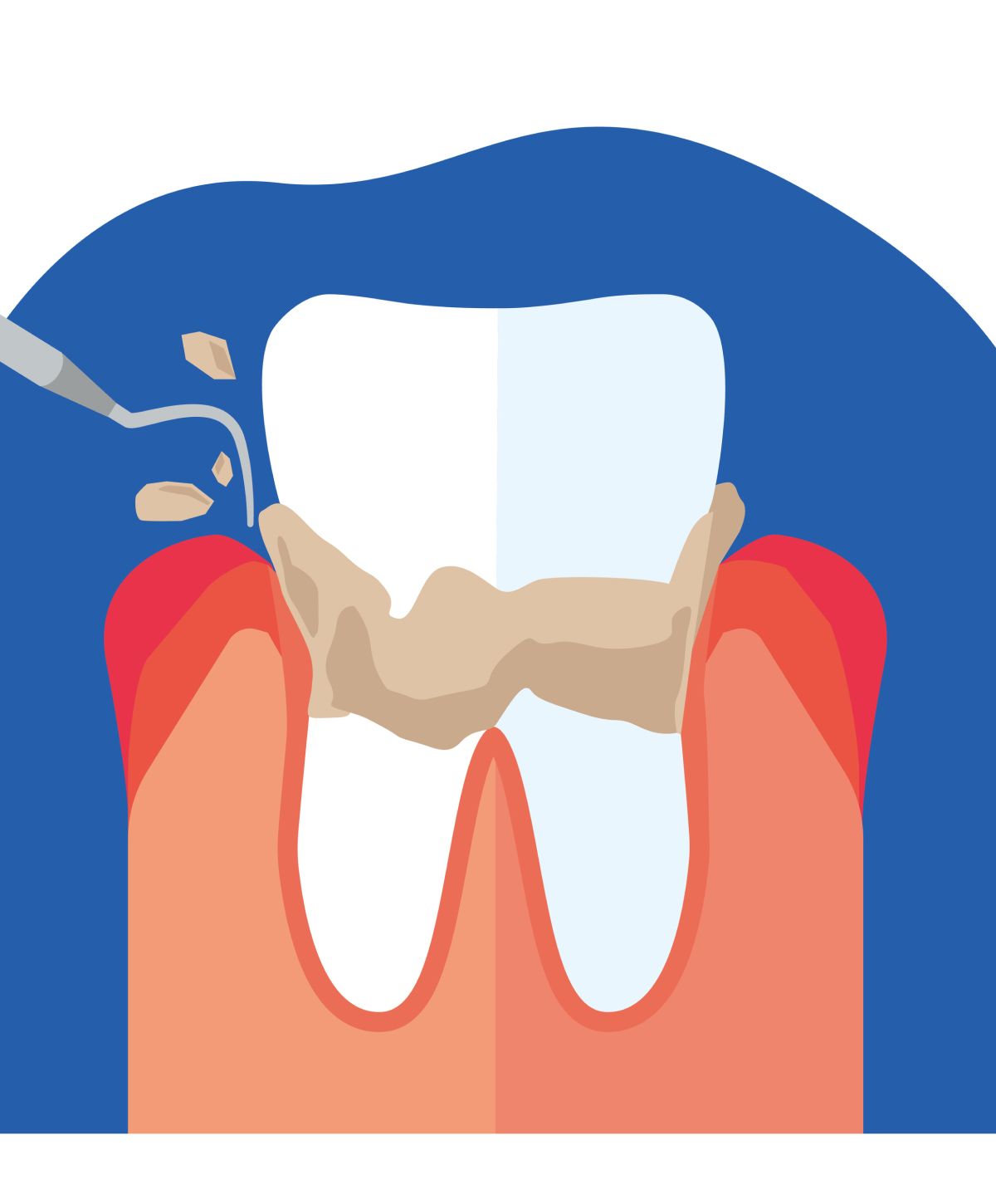
A deep cleaning, also known as scaling and root planing, is a specialized treatment designed to remove plaque, tartar, and bacteria from beneath the gumline. Unlike a regular cleaning, which focuses on the surface of the teeth, a deep cleaning targets the roots of your teeth and the surrounding gum tissue.
The procedure is performed in two steps:
This treatment is often recommended for patients with early to moderate gum disease to prevent it from progressing into a more severe condition.


Gum disease (periodontal disease) is a bacterial infection that affects the gums and supporting bone around your teeth. It starts with mild symptoms but can lead to serious complications if left untreated.
Stages of Gum Disease:
Gingivitis – The earliest stage, marked by bleeding gums, bad breath, and mild inflammation. At this stage, gum disease is reversible with a deep cleaning and improved oral hygiene.
Periodontitis – More advanced, causing gum recession, persistent bad breath, and pockets forming between teeth and gums. A deep cleaning is crucial to remove bacteria and prevent further bone loss.
Advanced Periodontitis – The most severe stage, where the bone supporting the teeth starts breaking down, leading to loose teeth or tooth loss. Without treatment, surgical procedures may be needed.
If you’ve been diagnosed with gum disease, a deep cleaning is the first step in stopping its progression and restoring your oral health.
We ensure your deep cleaning is comfortable and stress-free. Here’s what you can expect:
The procedure may be completed in one or two visits, depending on the severity of gum disease. Most patients feel minimal discomfort, and the results are well worth it!
Not sure if you need more than a standard cleaning? If you’re experiencing any of the following symptoms, scaling and root planing may be necessary:
Even if you haven’t been to the dentist in several years, it’s never too late to take care of your oral health. A deep cleaning can help restore your gums and prevent serious complications.
After a deep cleaning, your gums may feel slightly tender and sensitive for a few days, but this is temporary. Here are some tips for a smooth recovery:
Most patients notice healthier, pinker gums within a few weeks, and with regular dental visits, they can maintain long-term oral health.


A deep cleaning is just the first step—keeping your gums healthy requires ongoing care. Here’s how to prevent gum disease from returning:
By following these steps, you can keep your gums healthy, prevent inflammation, and avoid future deep cleanings.
No, a deep cleaning (scaling and root planing) is different from a standard dental cleaning. A standard cleaning removes plaque and tartar from the surface of the teeth, while a deep cleaning goes below the gumline to remove bacteria, tartar, and infection that contribute to gum disease. If you have bleeding gums, gum recession, or bone loss, a deep cleaning may be necessary.
You may need a deep cleaning if you have symptoms of gum disease, such as:
If you’re unsure, your dentist will check for gum pockets during your exam. If gum pockets are measured deeper than 4mm, a deep cleaning is typically recommended to prevent further gum and bone damage.
A deep cleaning is generally not painful, but because it involves cleaning below the gumline, your dentist may use local anesthesia or a numbing gel to keep you comfortable. After the procedure, you may experience mild gum soreness or sensitivity, which usually subsides within a few days.
A deep cleaning is typically done in two visits, with each session focusing on one half of the mouth. Each appointment usually takes 45 minutes to an hour, depending on the severity of gum disease. Some patients with mild gum issues may complete the procedure in a single visit.
After a deep cleaning, your gums may be sensitive, so it’s best to eat soft foods such as soup, yogurt, mashed potatoes, scrambled eggs, smoothies, cooked vegetables, and soft proteins etc.
Avoid hard, crunchy, or spicy foods for the first few days, as they may irritate your gums.
Yes! A deep cleaning helps your gums heal by removing bacteria and infection, allowing them to reattach to the teeth. With proper oral hygiene and follow-up care, you should see less gum inflammation, reduced bleeding, and healthier gums within a few weeks.