.png) Book Now
Book Now  720-464-4804
  Find A Location
 Get strong, natural-looking dental fillings to restore cavities and protect your teeth. Schedule your appointment with The Dental Team today!
Available At

Cavities and tooth decay are common dental issues, but with the right treatment, they don’t have to impact your oral health long-term.
At The Dental Team, we provide high-quality dental fillings to repair damaged teeth, prevent further decay, and restore your natural tooth structure. Using advanced dental filling materials, including tooth-colored composite resin, we offer customized solutions to match your specific dental needs. Whether you need a new filling or a replacement for an old filling, our skilled team ensures a comfortable, durable, and natural-looking restoration.
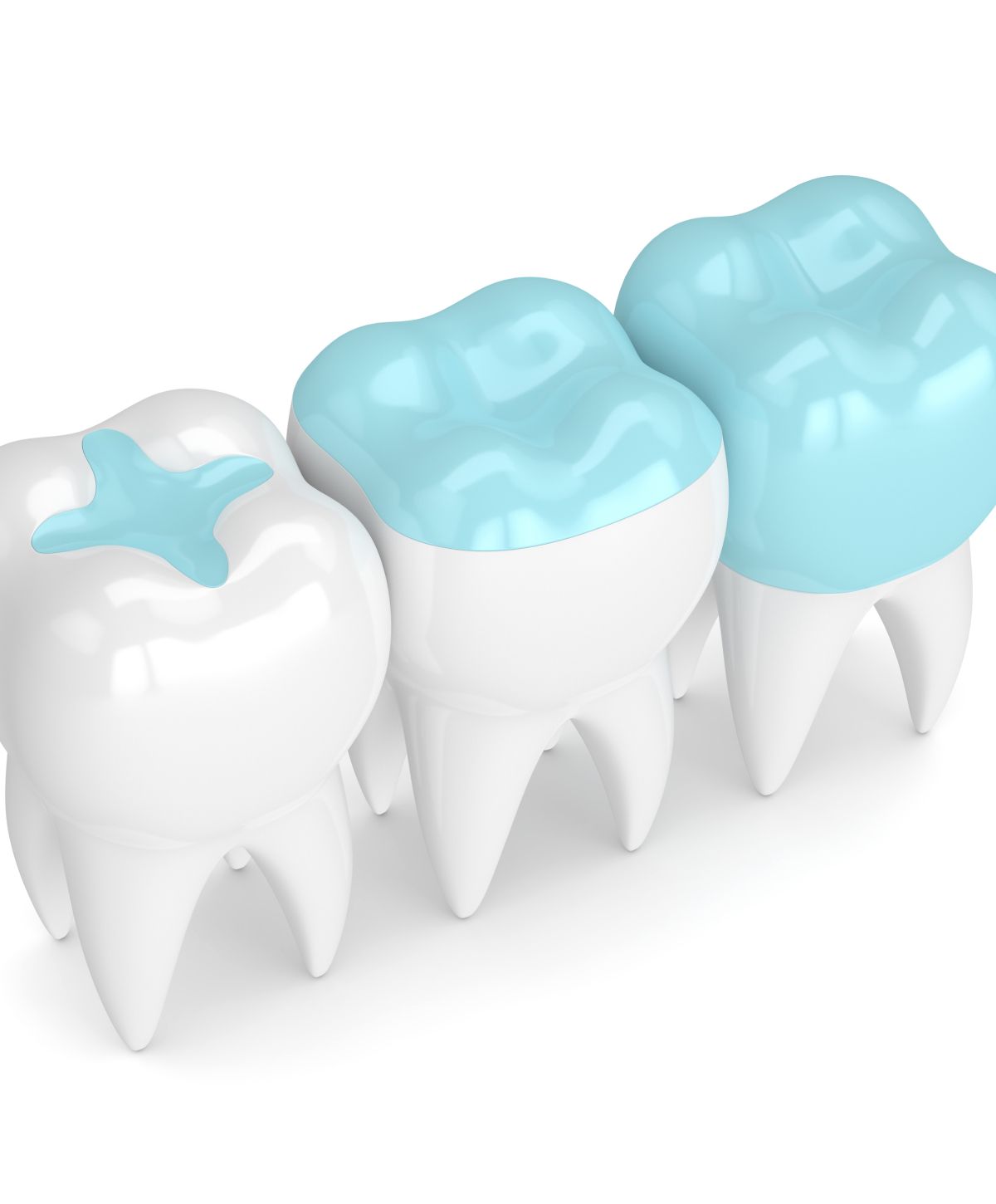
A dental filling is a restorative material used to repair a damaged tooth affected by tooth decay, fractures, or wear. The filling restores the tooth structure, prevents recurrent decay, and improves the overall function and aesthetics of the filled tooth.
Fillings can be made from various dental materials, each offering unique benefits. The best dental filling options for you will depend on factors like the location of the cavity, your preference, and insurance coverage.


During your visit, our dentist will help you choose the best filling material for your needs. There are several dental filling materials available, each with its own advantages:
Composite Resin Fillings (Tooth-Colored Fillings) Made of a tooth-colored composite resin, these fillings blend seamlessly with natural teeth and are ideal for front teeth and visible areas. They bond directly to the tooth structure, providing a strong and aesthetic restoration.
Glass Ionomer Fillings These contain fluoride to help protect against further decay and are often used in children’s teeth or in adult teeth in areas of recession or root surfaces.
Indirect Fillings (Inlays and Onlays) Custom-made in a dental laboratory, these indirect restorations are stronger than direct fillings and are used when a tooth is too damaged for a regular filling but does not need a full crown.
Getting a dental filling is a quick and comfortable process, typically completed in one office visit. Here’s what to expect:
Most patients resume normal activities immediately after their appointment.
If the decay is extensive, a root canal or crown may be needed instead of a filling procedure. You may need a dental filling if you experience:
Tooth sensitivity or pain, especially when eating cold foods, sweet foods, or hot drinks
Visible holes or dark spots on your teeth
A rough or broken filling that needs repair
Cavities detected during a routine dental checkup
Most patients experience little to no downtime after a dental filling procedure, but proper aftercare is key to ensuring the best results. Here’s what to expect and how to care for your newly filled tooth.
What to Expect After a Dental Filling
Caring for Your Dental Fillings
To prevent recurrent decay and keep your dental restorations in top shape, follow these simple steps:
If your filling becomes loose or falls out, contact us immediately for a replacement or temporary filling.

You’ll notice immediate improvements after your dental filling procedure. Your tooth structure will be restored, and you can resume normal eating and speaking as soon as the local anesthetic wears off. If you received a tooth-colored composite filling, it will blend seamlessly with your natural teeth right away.
You may need a dental filling if you experience tooth sensitivity, pain when chewing, visible holes or dark spots on your teeth, or rough edges on a tooth. A dentist places fillings to restore tooth structure after diagnosing tooth decay or minor fractures during an exam. If left untreated, decay can worsen, requiring a root canal or more extensive dental restorations.
The dental filling procedure is generally painless, thanks to local anesthesia. Some patients may experience mild sensitivity to cold foods or sweet foods after treatment, but this typically fades within a few days. If discomfort persists, a desensitizing agent or adjustment may be necessary.
For front teeth, tooth-colored composite resin fillings are the best option because they blend seamlessly with natural teeth. Unlike silver amalgam fillings, composite restorations provide a more natural look without the poor aesthetics of metal fillings. Glass ionomer fillings are another option, especially for patients needing fluoride-releasing properties to help prevent further decay.
If you received a composite filling, you can eat as soon as the local anesthetic wears off, as the material hardens immediately. it’s a good idea to avoid hot or cold foods for the first day if you experience sensitivity.
Most dental filling materials are safe,What is the difference between direct fillings and indirect fillings?
The lifespan of a dental filling depends on the filling material used and your oral hygiene habits:
Good dental care, including regular checkups with your dentist and dental hygienist, helps extend the lifespan of your fillings.
Yes, a dental filling can become loose or fall out due to chewing pressure, recurrent decay, or normal wear over time. If you notice a lost filling, sharp edges, or increased sensitivity, contact your dentist immediately for a replacement filling or temporary filling to protect the tooth structure from further damage.