.png) Book Now
Book Now  720-464-4804
  Find A Location
 Get traditional or implant-supported dentures for a comfortable, natural-looking smile. Book your consultation with The Dental Team today!
Available At
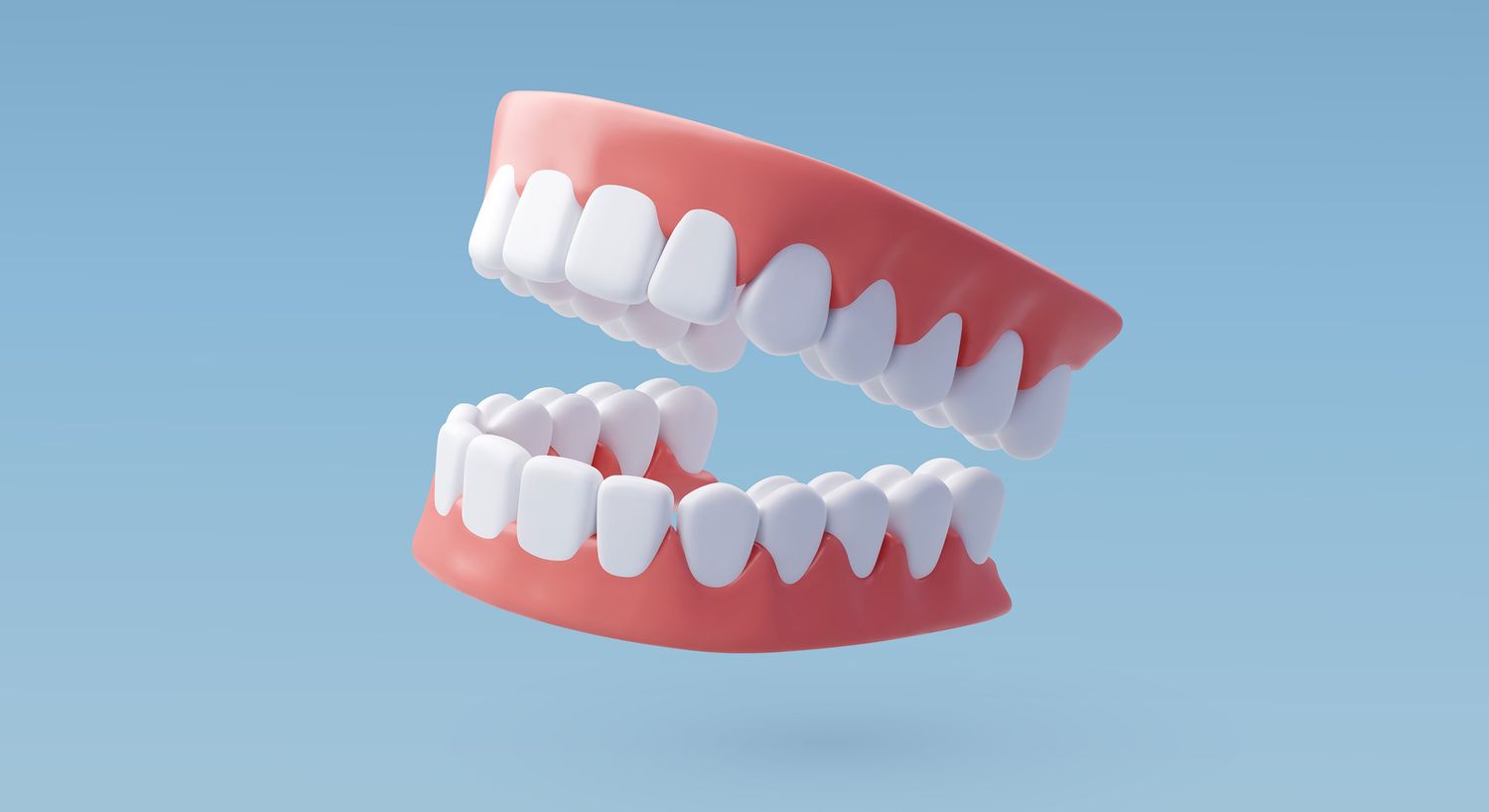

Missing teeth can make eating, speaking, and smiling more difficult, but modern dentures offer a comfortable, natural-looking solution to restore your smile.
At The Dental Team, we provide high-quality traditional and implant-supported dentures that look and feel like natural teeth. Whether you need full dentures, partial dentures, or implant-supported options, we customize your treatment for a secure, comfortable fit and long-lasting results. If you're struggling with missing teeth, don't wait—schedule your denture consultation today and start enjoying life with a full, confident smile!
Dentures are removable dental prosthetics designed to replace missing teeth and restore oral function. They can be made from acrylic, porcelain, or composite materials to resemble natural teeth and gums. Both options improve chewing function, speech, and appearance, but the right choice depends on your oral health, lifestyle, and budget.
There are two main types of dentures:
Traditional Dentures
These rest on the gums and jawbone, using suction or adhesive to stay in place.
Implant-Supported Dentures
These are secured by dental implants, offering a more stable and comfortable fit with no slipping or shifting.
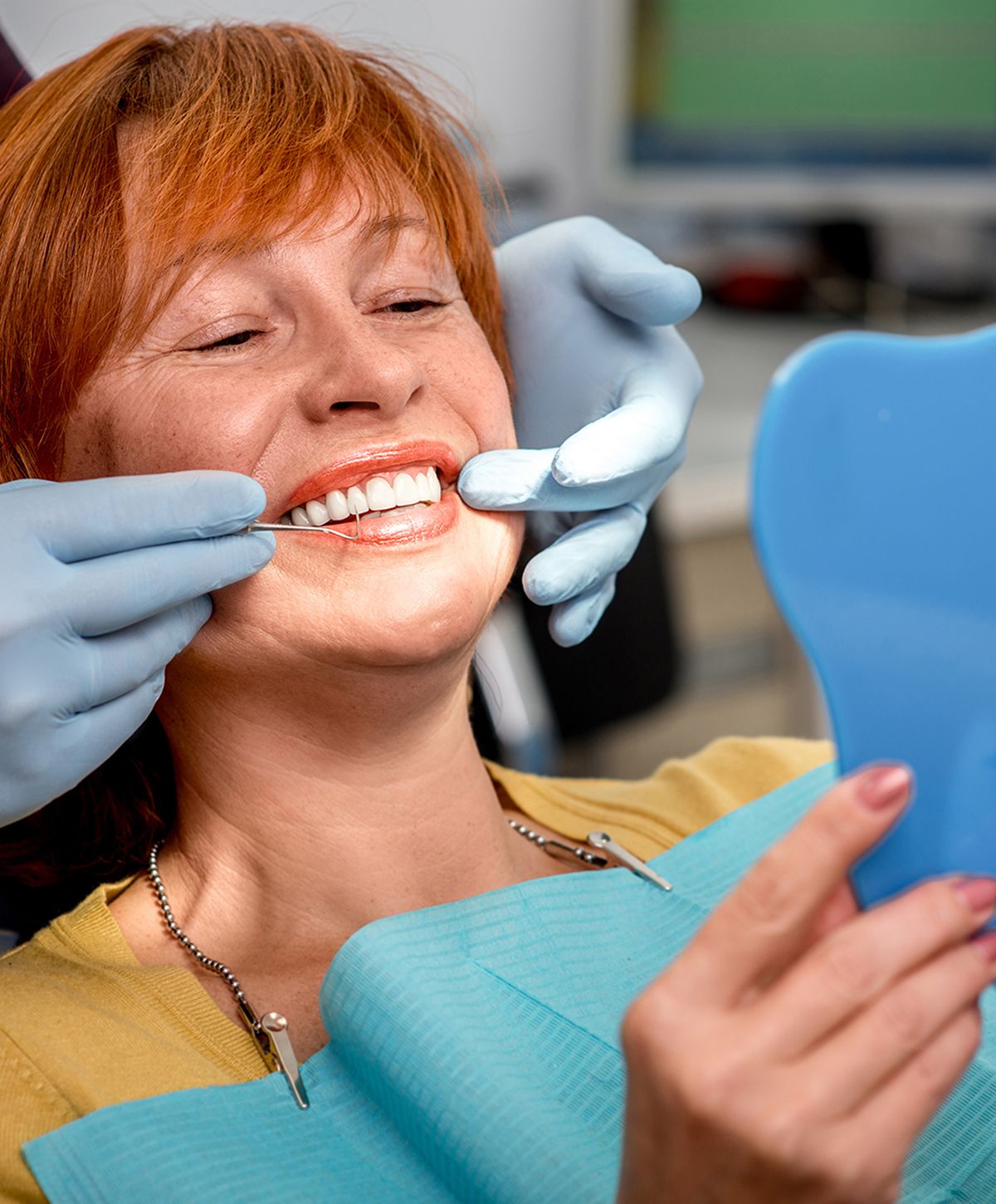

Full dentures replace all teeth in the upper or lower jaw. They are custom-made to fit comfortably over the gums and are held in place using suction or denture adhesive.
Partial dentures are used when some natural teeth remain. They consist of artificial teeth attached to a metal or acrylic framework, which clasps onto the remaining teeth for support.
Traditional dentures are a reliable, cost-effective solution for tooth loss, but they may take time to get used to, and some patients experience slipping or discomfort over time.
For a stronger, more stable alternative, implant-supported dentures offer unmatched security and function. These dentures are anchored by dental implants, providing better support and comfort compared to traditional dentures.
Benefits of Implant-Supported Dentures
There are two types of implant-supported dentures:
Implant-supported dentures are ideal for patients looking for a long-term, comfortable, and functional solution to missing teeth.

Your dentist will examine your mouth, take digital impressions, and discuss your denture options to find the best solution for your needs.
For traditional dentures, a dental lab will create a custom set based on your impressions. If you choose implant-supported dentures, you may first need a procedure to place dental implants.
Once your dentures are ready, you’ll have a fitting appointment to ensure a secure, comfortable fit. Adjustments may be needed as you get used to them.
Regular checkups help ensure your dentures remain comfortable and functional over time.
You may be a good candidate for dentures if you:
Our team will evaluate your oral health and lifestyle needs to recommend the best denture option for you.

It may take a few weeks to adjust to eating and speaking with dentures. Here are some tips for a smooth transition:
With time and practice, your dentures will feel natural, and you'll regain full confidence in your smile.
Caring for Your Dentures
Proper care ensures long-lasting comfort and function:
Implant-supported dentures require the same oral hygiene routine as natural teeth, including brushing, flossing, and professional cleanings.
For traditional dentures, you’ll receive your custom-fitted set within a few weeks after impressions are taken. Some patients may need temporary dentures while waiting for final adjustments. If you choose implant-supported dentures, the process takes longer—typically three to six months—as dental implants need time to fuse with the jawbone before the final dentures are placed.
What Will My Results Look Like?
With time and practice, your new dentures will feel comfortable and function just like natural teeth.
It typically takes a few weeks to a few months to fully adjust to new dentures. During this period, you may experience minor discomfort, increased saliva production, and difficulty speaking or eating. Practicing reading aloud, eating soft foods, and using denture adhesive can help make the adjustment easier.
To protect your dentures and oral health, avoid:
Over time, you’ll learn what foods work best with your dentures, and many patients find they can eat most foods comfortably with implant-supported dentures.
While removable dentures should be taken out at night to allow your gums to rest, some patients may need to wear them temporarily while adjusting. Implant-supported dentures, on the other hand, can be worn overnight in most cases. Your dentist will recommend the best routine for your situation.
The lifespan of dentures depends on the type and how well they are cared for:
Regular dental checkups and proper maintenance can extend the longevity of your dentures.
Traditional full and partial dentures typically last 5-10 years, while implant-supported dentures can last 10-20 years or more with proper care. Over time, bone loss and gum changes may require adjustments or replacements to maintain a proper fit. Regular dental checkups help ensure your dentures remain functional and comfortable.
Yes, tooth loss can lead to jawbone shrinkage, which can cause a sunken appearance over time. Well-fitted traditional dentures help support facial muscles, but implant-supported dentures are the best option for preventing bone loss and maintaining facial structure.
Most dental insurance plans cover a portion of the cost of traditional or implant-supported dentures, but coverage varies. Our office can help you review your insurance benefits and discuss financing options if needed.